


 Agriculture
  Manufacturing
 Automobile
 Pharmaceutical
 RealEstate
 Education
 Events
 Industry 4.0
 Lab Setup
 Training
 Product Demonstrator
 Remote Assistance (MR)
 Virtual Showroom
 Virtual Try on
 Print Media
  Virtual Reality

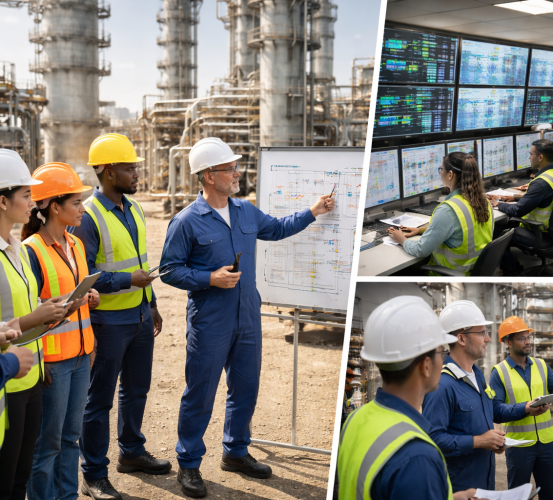
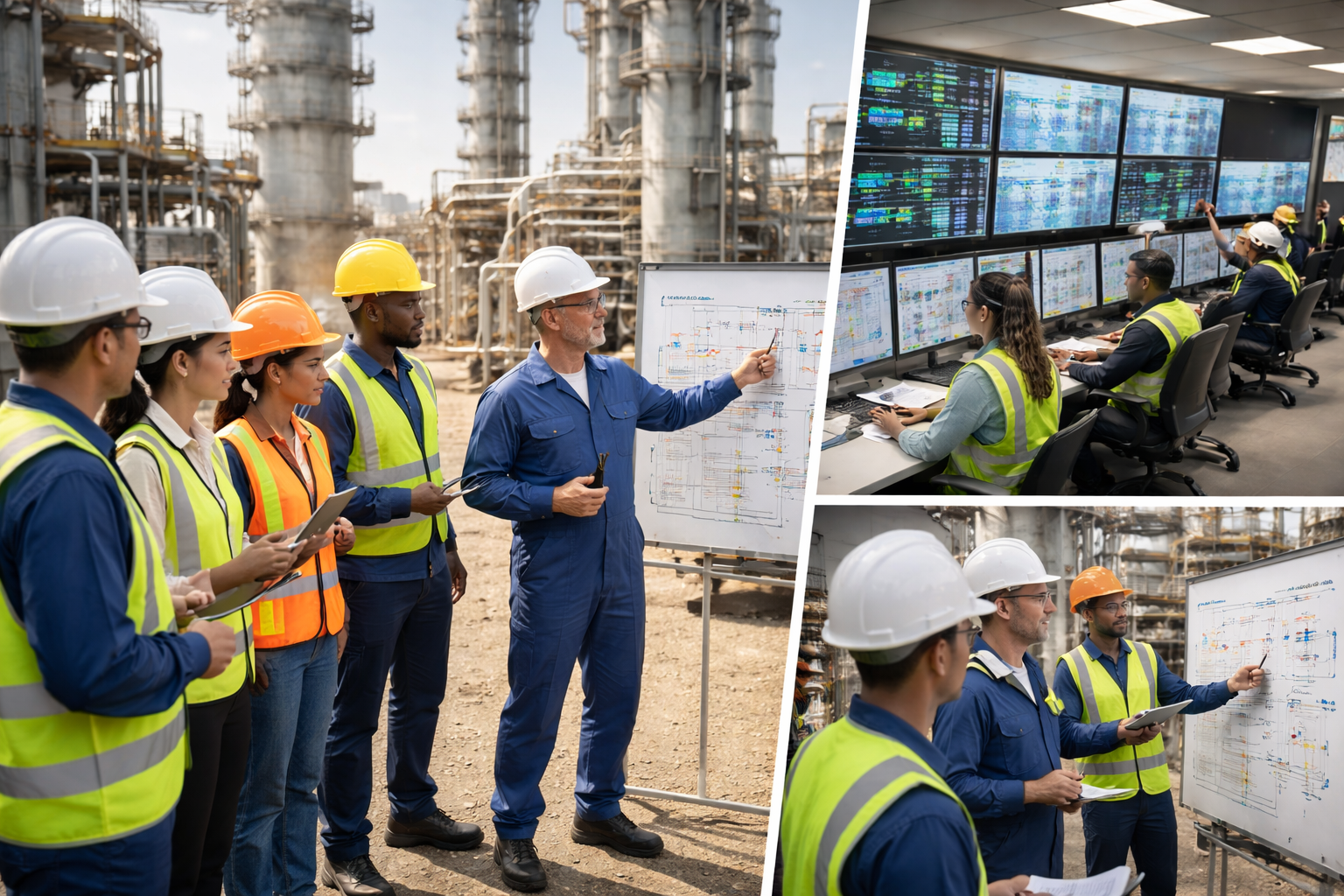
Learning Goal
This training guide helps energy industry employees, supervisors, and managers understand operational readiness training, why it matters in day-to-day energy operations, and how it is practically applied across plants, control rooms, and field teams.
What Is Operational Readiness Training?
Operational readiness training prepares energy teams to begin or continue operations with a clear, shared understanding of system status, responsibilities, and risks.
In simple terms, it ensures:
- People know their roles
- Equipment and systems are understood before use
- Known issues or limitations are visible
- Teams start work without assumptions
It answers one critical question:
“Are we actually ready to operate right now?”
Why Operational Readiness Training Matters in Energy Operations
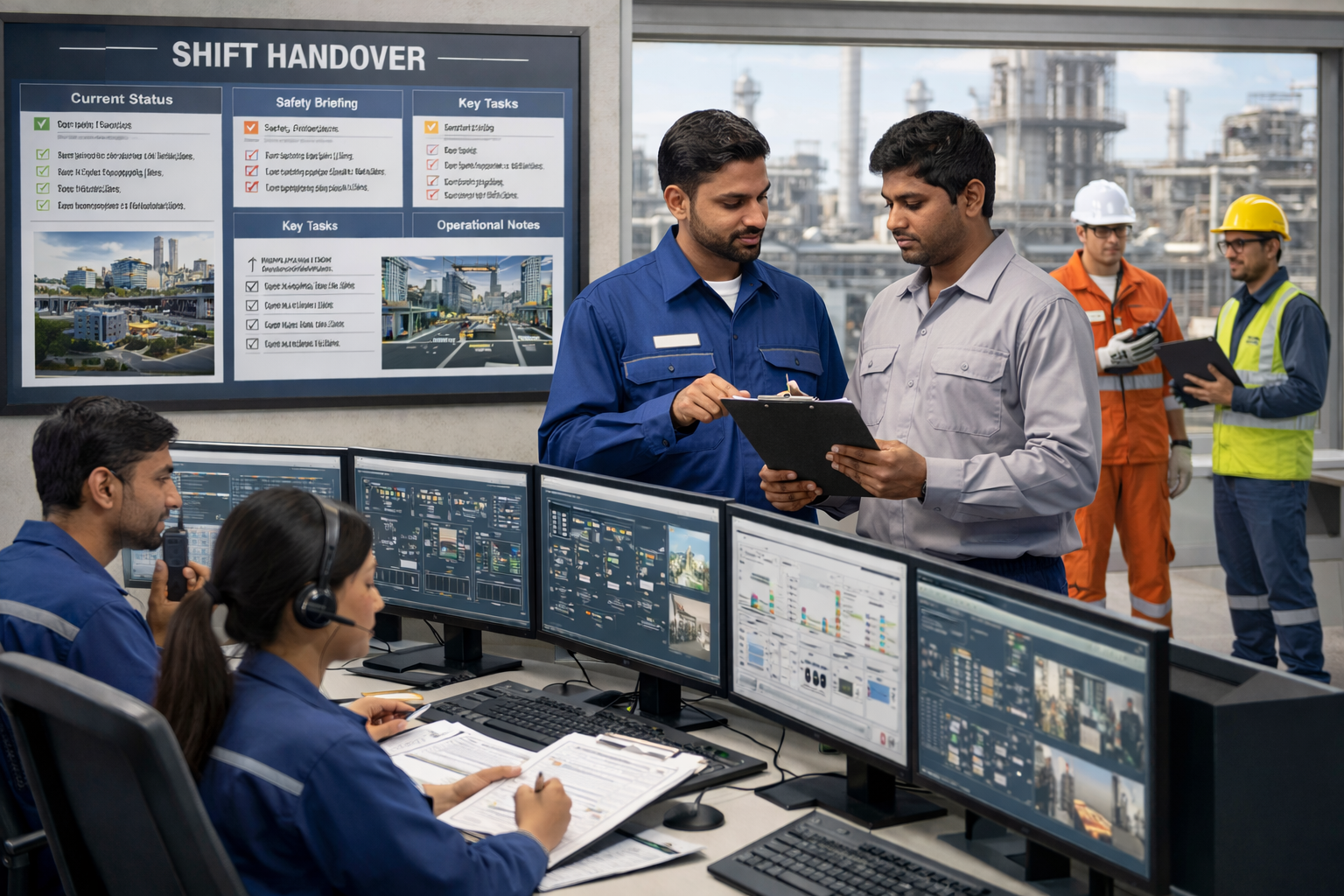
Operational readiness training is important in the energy industry because operations involve continuous systems, shift-based handovers, and high-risk environments where small gaps in readiness can create confusion or delays.
From a practical standpoint, organizations often explore operational readiness training for the energy industry to support:
- Clearer shift transitions
- Better coordination between field and control room teams
- Awareness of temporary operating conditions
- More structured start-of-shift alignment
Energy operations depend on continuity. Readiness supports that continuity.
How Operational Readiness Training Works on the Ground
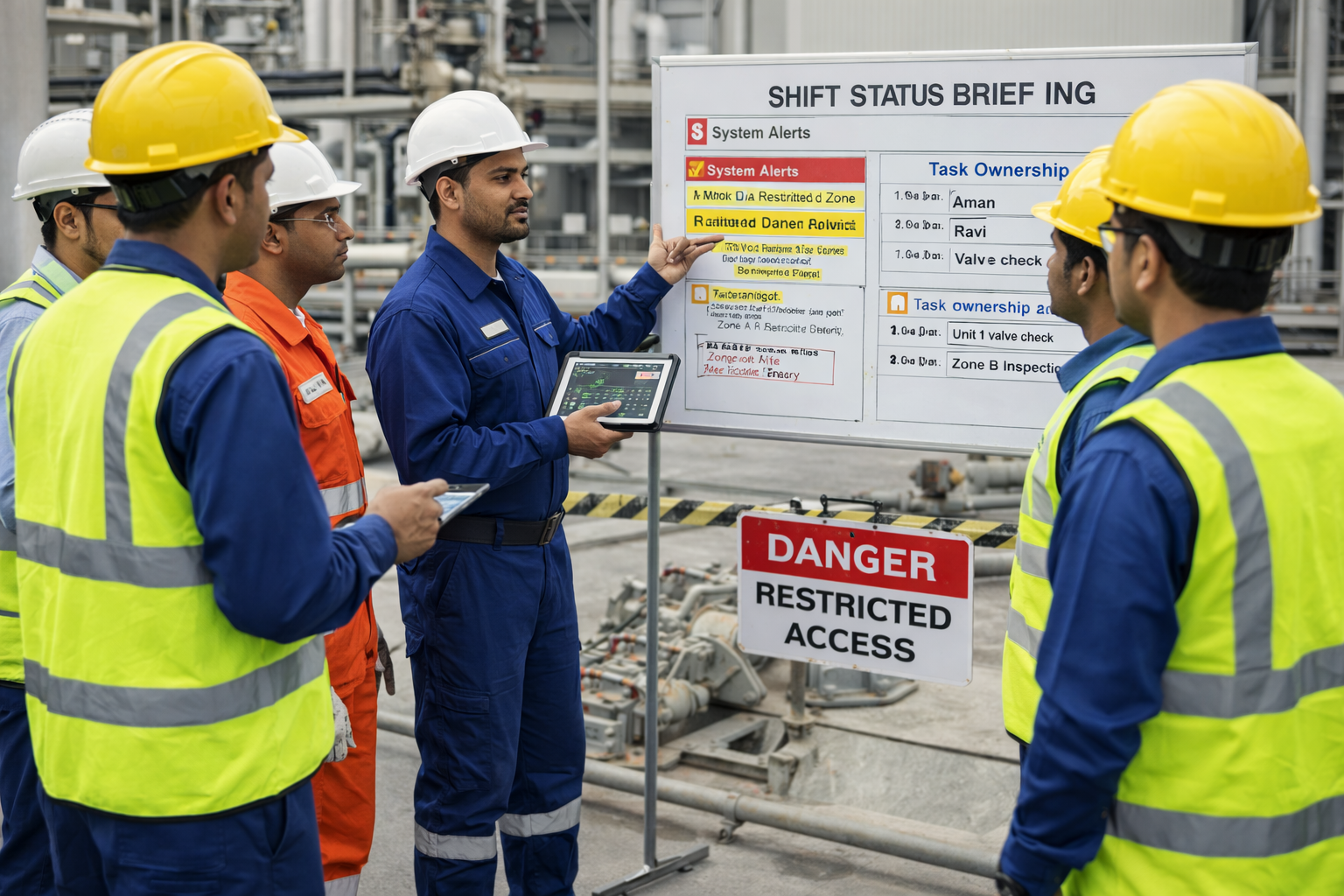
Operational readiness training is not classroom-heavy. It is situational and job focused.
Typically, it includes:
- Current system and asset status
- Known constraints or abnormal conditions
- Task ownership for the shift or activity
- Safety and access considerations
- Communication expectations
Many organizations include this training as part of broader energy operations training solutions, especially during shift changes, planned transitions, or critical operational windows.
A Realistic Energy-Sector Scenario
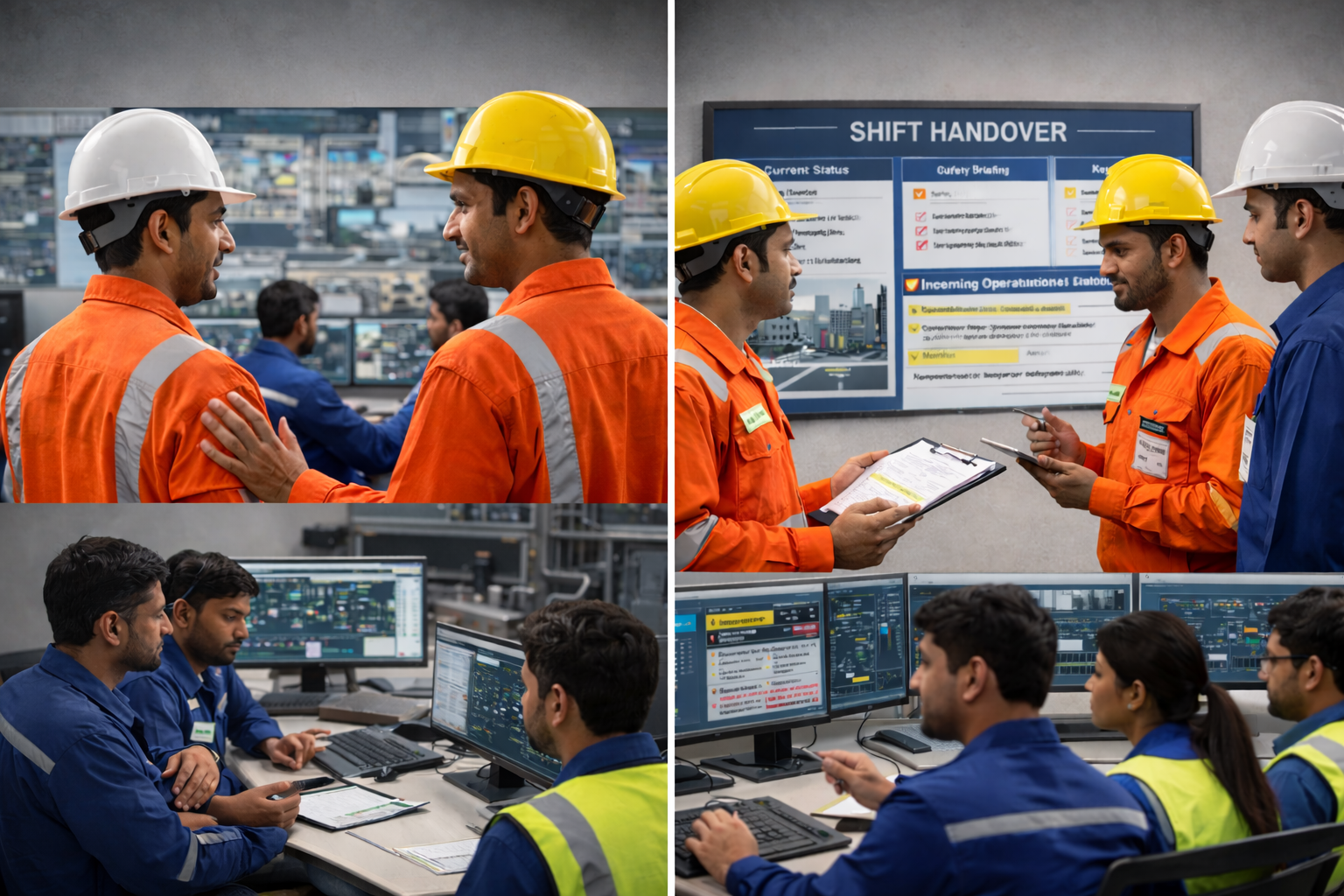
Consider a power plant during a shift handover:
- The outgoing team mentions an issue informally
- The incoming team assumes it is already resolved
- The control room notices confusion later in the shift
With structured readiness training:
- Temporary conditions are clearly highlighted
- Responsibilities are explicitly confirmed
- Everyone starts with the same operational picture
This reduces reliance on memory and informal communication.
What Effective Operational Readiness Training Covers
Good readiness training usually focuses on:
- System awareness: What is running, limited, or under observation
- Risk awareness: What needs attention during the shift
- Role clarity: Who owns which tasks
- Handover visibility: What changed since the last team
- Communication points: Who to contact and when
These elements are common across energy workforce readiness training programs and are most effective when applied consistently.
Common Gaps Seen in Energy Readiness Training
Across power plants and energy facilities, similar gaps appear:
- Shift handovers depend on verbal updates
- Information varies by individual experience
- Field and control room views are not aligned
- Temporary conditions are not clearly documented
These gaps often drive organizations to review their operational readiness training services and introduce more structured, repeatable approaches.
Role of Supervisors and Shift Leads
Supervisors and shift leads are central to readiness.
Effective practices include:
- Starting each shift with a structured readiness check
- Encouraging clarification before work begins
- Confirming understanding, not just attendance
- Using the same readiness format across shifts
This consistency is a key focus area in many power plant operational training initiatives.
How Visualization Supports Readiness Training
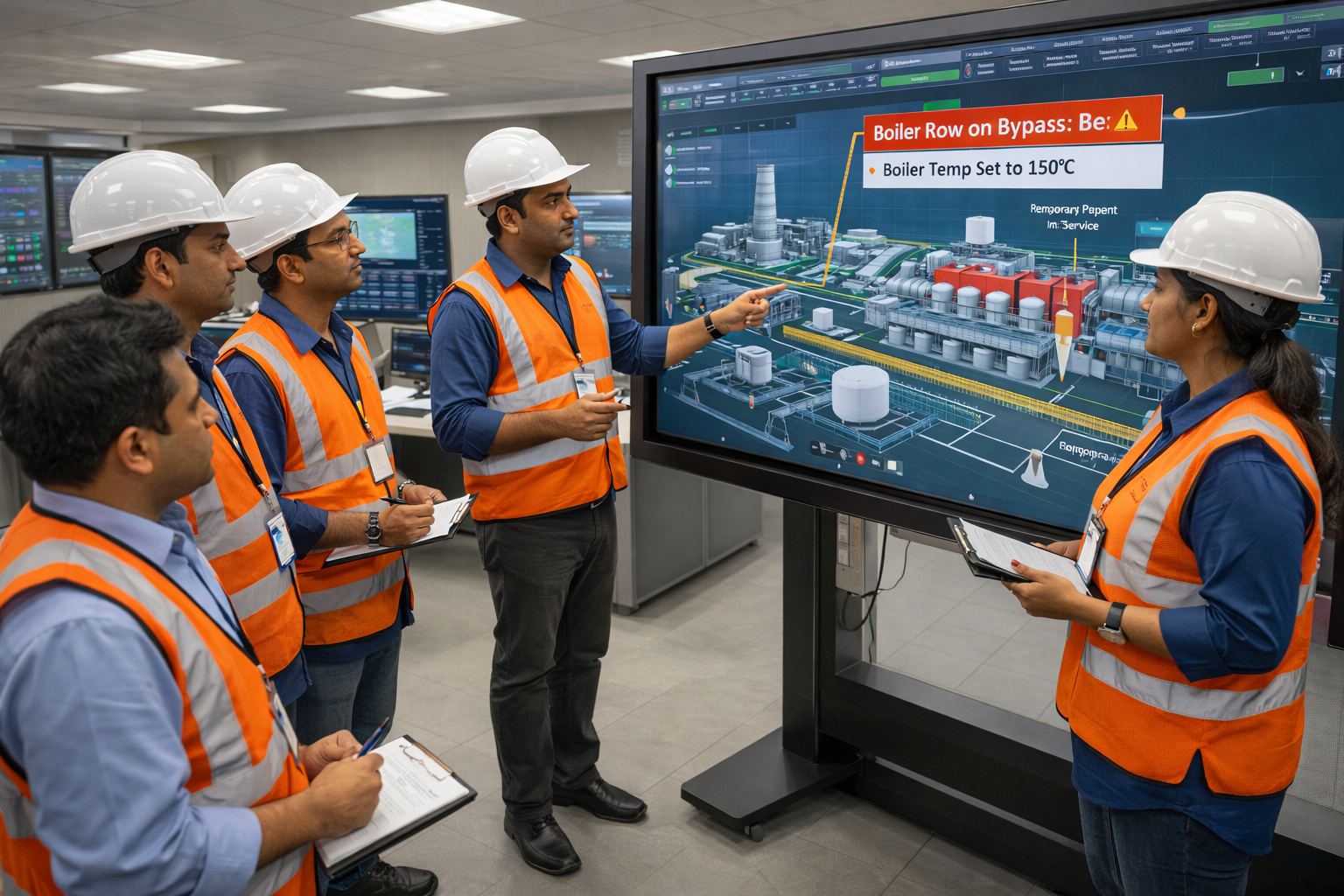 Modern energy organizations increasingly use visual tools to support readiness discussions. Within this context, Yeppar Smart Solutions supports energy teams by creating visual representations of facilities, systems, and operational states. These visual environments help teams build shared understanding before work begins.
Such approaches are often evaluated alongside other digital training solutions for energy operations, focusing on clarity rather than replacing existing procedures.
Training Takeaways
- Operational readiness training ensures teams are prepared before operating
- It supports clearer shift transitions and coordination
- Readiness reduces assumptions and informal dependencies
- Supervisors play a key role in maintaining consistency
- Visualization helps teams align faster across locations
FAQs:-
What is operational readiness training in the energy industry?
It is training that prepares teams to operate systems safely by aligning people, equipment understanding, and information before work begins.
Who should receive operational readiness training?
Field operators, control room staff, supervisors, and shift leads.
Is operational readiness training only for shift changes?
No. It is also relevant before critical tasks, restarts, or abnormal operating conditions.
Does readiness training replace safety procedures?
No. It supports awareness and coordination alongside existing safety processes.
Why do energy companies invest in readiness training programs?
To support clearer communication, coordination, and shared understanding across operational teams.

 Contact Us