


 Agriculture
  Manufacturing
 Automobile
 Pharmaceutical
 RealEstate
 Education
 Events
 Industry 4.0
 Lab Setup
 Training
 Product Demonstrator
 Remote Assistance (MR)
 Virtual Showroom
 Virtual Try on
 Print Media
  Virtual Reality

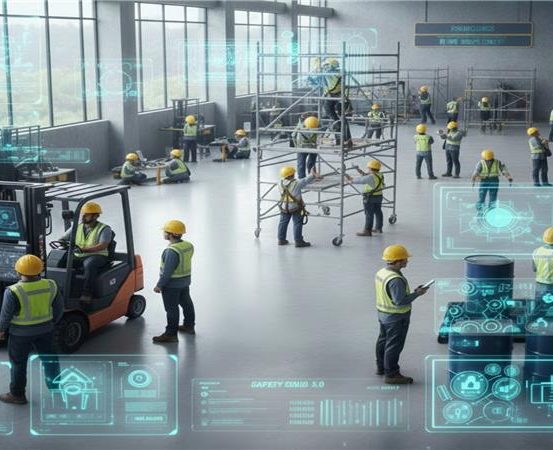
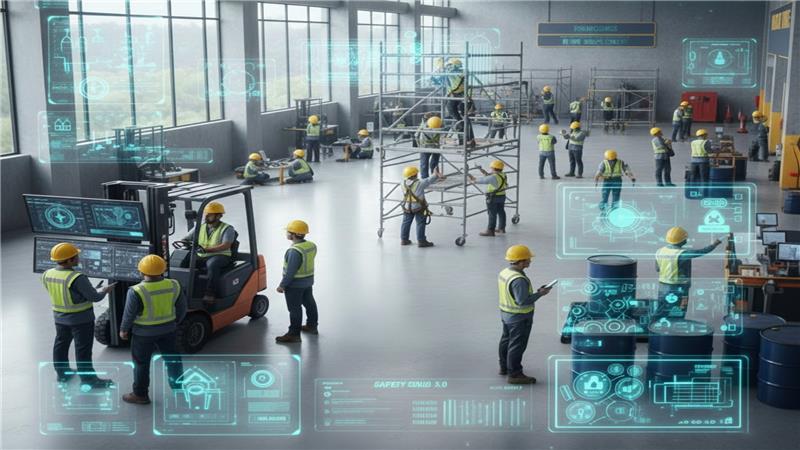
In today’s fast-evolving industrial landscape, organizations across manufacturing, logistics, healthcare, technology, and consumer goods face a common challenge—how to upskill their workforce faster, safer, and more effectively. Traditional classroom training alone is no longer enough. Modern operations demand hands-on mastery, real-time decision-making, and the ability to respond swiftly to complex scenarios.
This is where the modern industrial DOJO makes its mark.
What Is a DOJO in Today’s Industrial World?
The word “Dojo” originates from Japan and refers to a hall of practice—a place where individuals refine skills, develop discipline, and evolve through continuous improvement.
In modern industries, a DOJO has transformed into a structured learning ecosystem where employees learn by doing. It is:
- A controlled environment for skill development
- A safe space to practice tasks repeatedly
- A training arena to build muscle memory
- A hub for process standardization and operational excellence
The transition from theoretical learning to real-world, scenario-based training gives workers the confidence and capability to perform accurately under pressure.
Why Practice-Based Learning Matters More Than Ever
In high-performance industries, even a small error can lead to downtime, quality deviations, or safety incidents. Practice-based learning is the fastest and most effective way to overcome this.
Key Advantages of Practice-Driven Training
- Builds muscle memory: Workers internalize standard procedures and repeat them flawlessly.
- Improves safety awareness: Employees learn how to avoid accidents before stepping onto the shop floor.
- Reduces errors and rework: Realistic practice eliminates guesswork.
- Boosts productivity: Routine tasks become faster, smoother, and more consistent.
- Increases retention: Experiential learning ensures knowledge stays longer.
By transforming training into action, organizations cultivate teams that are competent, confident, and consistent.
Immersive & Experiential Learning: The New Training Standard
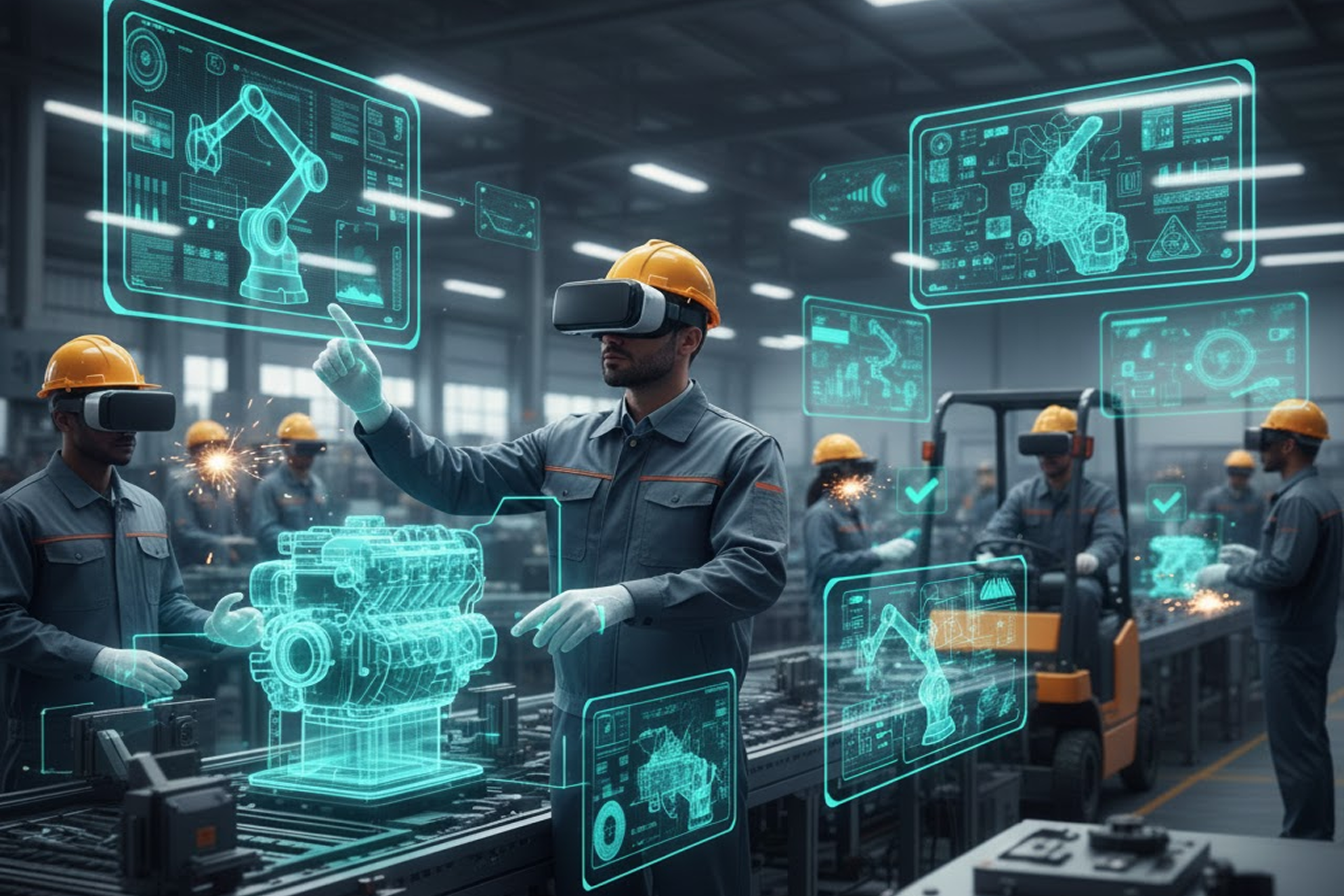
The rise of technologies like AI, AR/VR, and Digital Twins has redefined how learning happens. Employees can now:
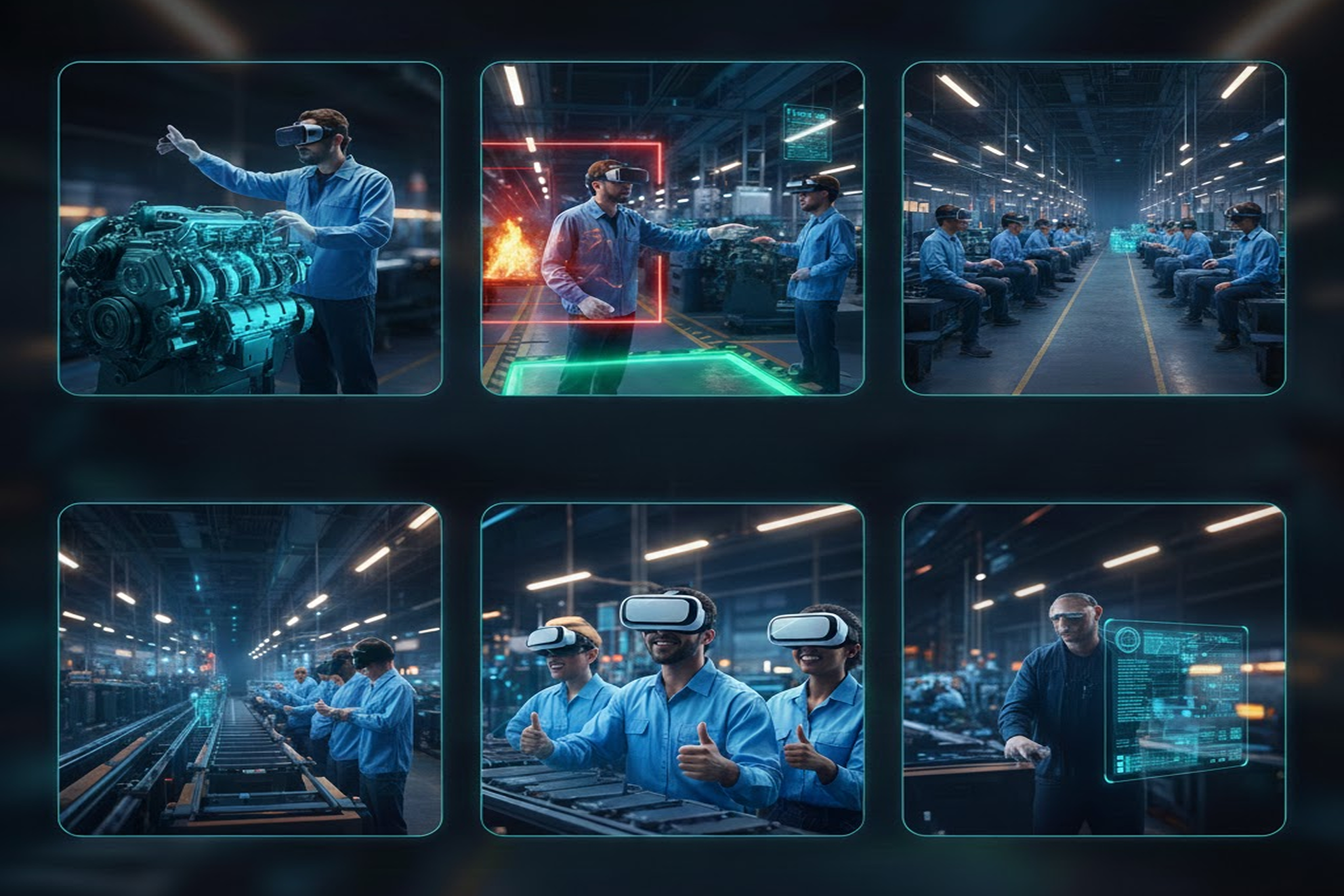
- Enter virtual replicas of real production lines
- Interact with digital machinery
- Experience real-world hazards without risk
- Practice tasks repeatedly with guided feedback
This immersive approach makes learning engaging, measurable, and highly accurate. It bridges the gap between theory and practice, helping industries accelerate workforce readiness.
Introducing Yeppar’s DOJO 2.0 – The Next Evolution in Workforce Training
Yeppar’s DOJO 2.0 blends the cultural essence of a traditional dojo with cutting-edge immersive technologies to create a future-ready learning ecosystem. It is designed for organizations aiming to strengthen safety, quality, and operational efficiency through experiential training.
What Makes DOJO 2.0 Unique?
- Integrates AI, AR/VR, and Digital Twin-based interactive simulations
- Offers realistic multi-user training environments
- Supports standardized, scalable, and measurable learning experiences
- Enables continuous upskilling with advanced digital modules
- Bridges traditional training with futuristic skill development
Core Functional Pillars of DOJO 2.0
Skill Preparation & Onboarding
New employees learn foundational skills through guided, risk-free practice—before they enter the actual workplace.
Operational Excellence
Training focuses on the holy trinity of industrial performance:
- Safety
- Quality
- Productivity
Futuristic Skill Development
With AR/VR and AI-driven simulations, teams can practice advanced procedures that would otherwise require high resources or unsafe conditions.
Collaborative Learning
Multi-user digital environments allow teams to train together, solve problems, and build strong coordination.
Specialized DOJO Modules for Every Operational Need
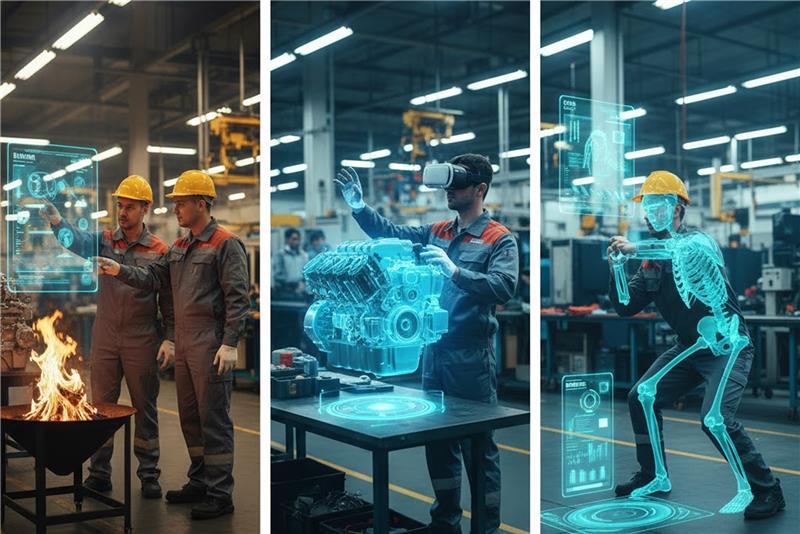
Yeppar’s DOJO 2.0 offers a suite of focused modules tailored to different industrial functions:
Safety Dojo
Simulates real-world hazards and emergency situations to build a strong safety culture.
Product Dojo
Educates teams on product features, assembly steps, and defect identification.
Production Dojo
Enhances process flow understanding, standard operating procedures, and line efficiency.
Quality Dojo
Trains employees on inspection methods, defect handling, and quality control standards.
Maintenance Dojo (AR/VR-enhanced)
Allows technicians to practice maintenance, troubleshooting, and repair tasks on virtual machinery.
Process Dojo
Strengthens understanding of end-to-end workflows and optimized operational routing.
Ergonomics Dojo
Helps teams adopt safe and efficient body mechanics to prevent injuries and reduce fatigue.
Organization-Wide Benefits of DOJO 2.0
Better Skill Retention
Repeated hands-on training builds strong muscle memory and long-term competence.
Stronger Safety Culture
Workers develop instinctive hazard awareness and adherence to safe practices.
Standardized Quality & Productivity
Consistent training ensures every employee performs in alignment with SOPs.
Higher Engagement & Motivation
Immersive training keeps employees interested and involved.
Scalable & Data-Driven Training
Performance analytics provide measurable insights for continuous improvement.
Industry Impact: Why DOJO 2.0 Is Becoming a Strategic Investment
Across manufacturing units, logistics hubs, hospitals, and technology-driven environments, DOJO 2.0 is reshaping workforce capability.
Proven Impact:
- Reduces errors, downtime, and safety incidents
- Ensures faster workforce readiness
- Enhances product and service quality
- Supports continuous upskilling and future skill preparedness
By combining cultural wisdom with modern immersive technologies, DOJO 2.0 empowers organizations to achieve operational mastery.
Conclusion: Building the Workforce of the Future
As industries evolve, the demand for skilled, agile, and safety-conscious employees continues to rise. DOJO 2.0 provides a powerful solution—one that transforms training from a passive activity into an interactive, immersive, and measurable experience.
With its multi-disciplinary modules and advanced technology integration, DOJO 2.0 is not just a training system—it is a strategic foundation for industrial excellence and future-ready workforce development.
Organizations embracing this approach are not only preparing employees for today’s operations—they are shaping the workforce of tomorrow.

 Contact Us