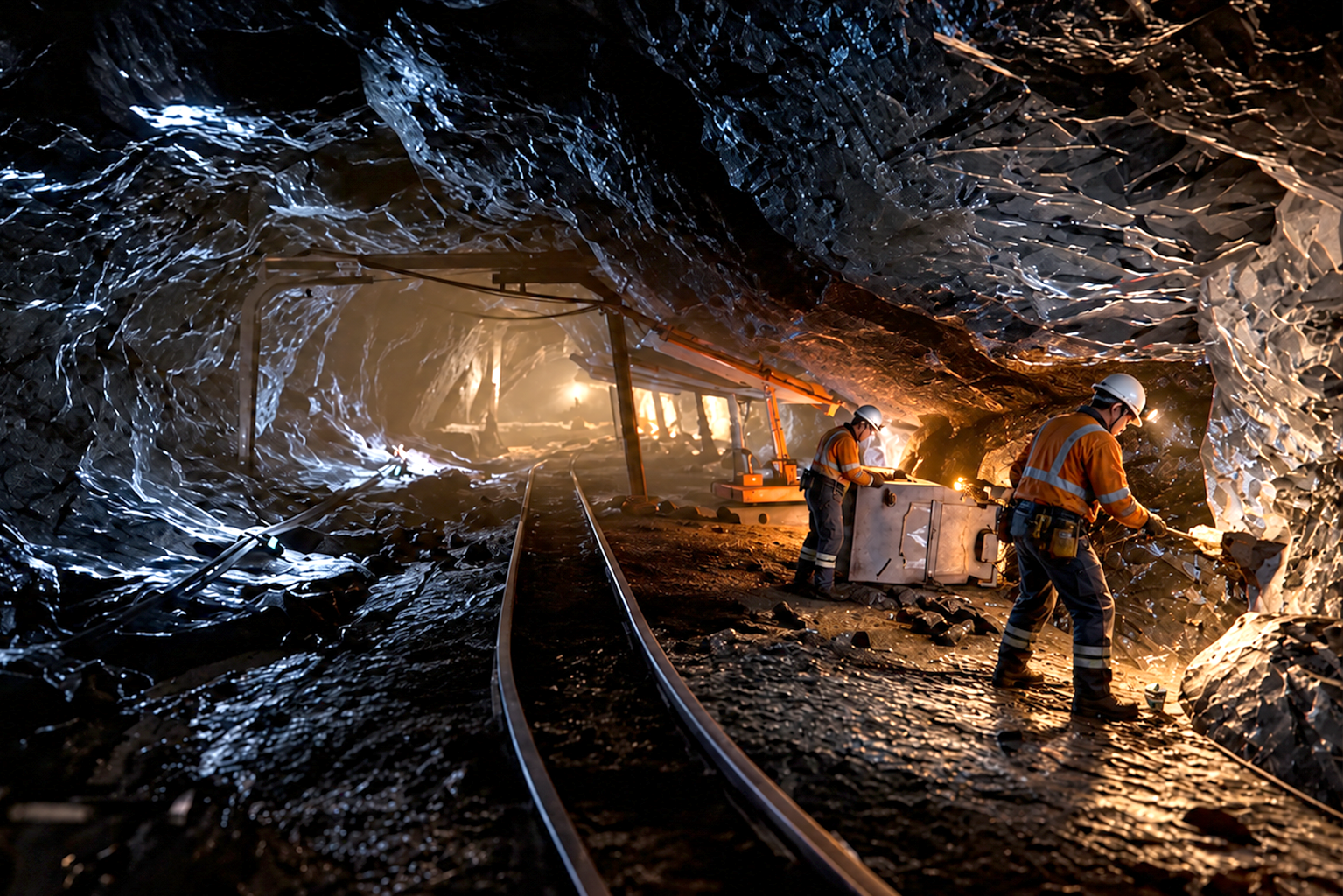
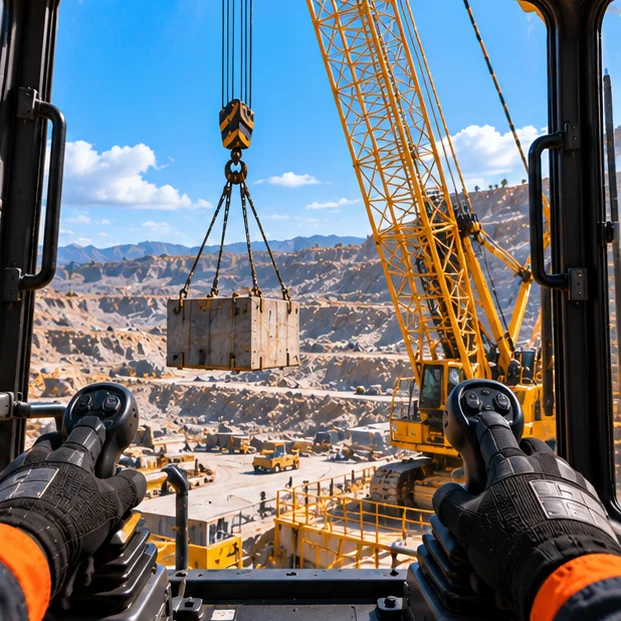
Equipment Familiarisation
Help new or reassigned personnel learn about selected machines, components, operating areas and task sequences before supervised hands-on practice.
Yeppar’s immersive technology capabilities can be scoped around the specific equipment, workflows, training objectives and site requirements of a metal or mining operation.
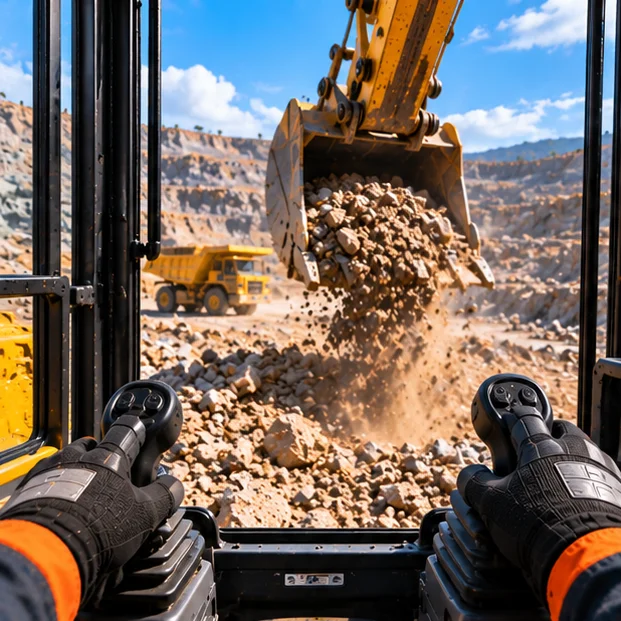
Use VR simulations to introduce selected equipment, components and operating sequences in an interactive learning environment. Training content can be developed around customer-approved procedures and relevant reference materials.
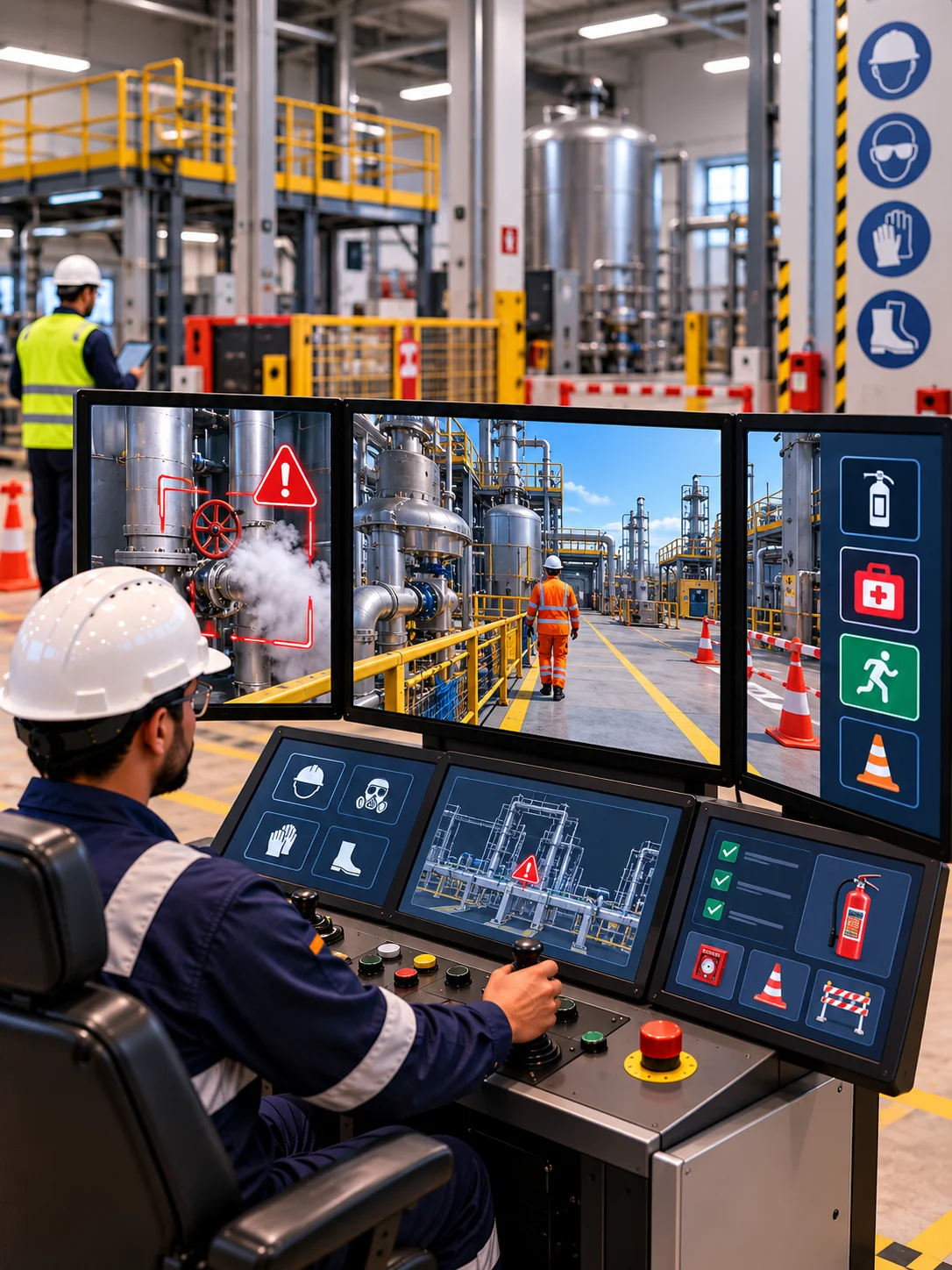
Create scenario-based learning experiences to help personnel explore hazard awareness, PPE use and safe-work concepts in a controlled digital environment. Final scenarios should align with the customer’s approved HSE procedures.
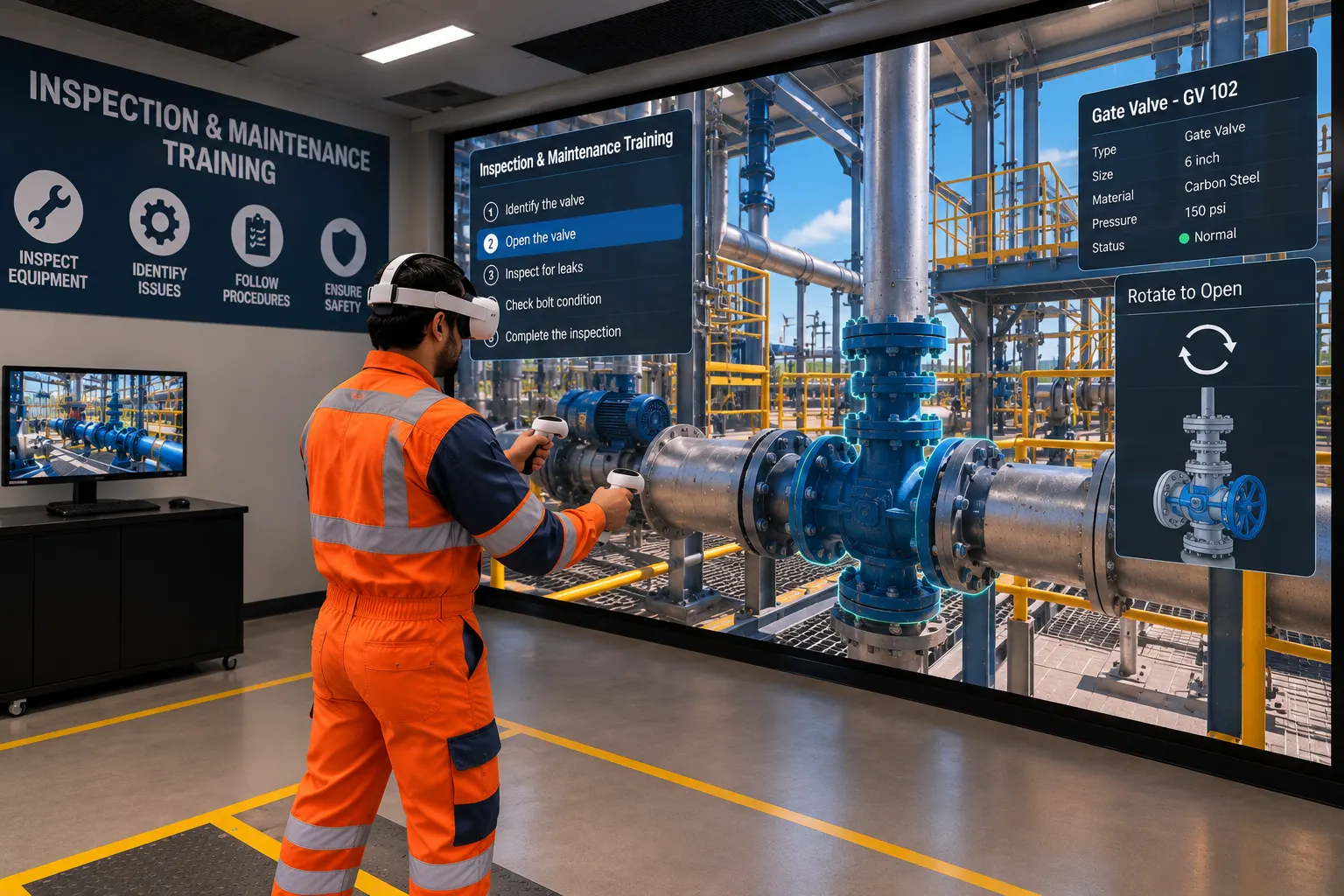
Use 3D models and, where appropriate, AR or MR guidance to explain selected inspection and maintenance steps. Equipment compatibility, technical feasibility and approved work instructions should be confirmed during project discovery.
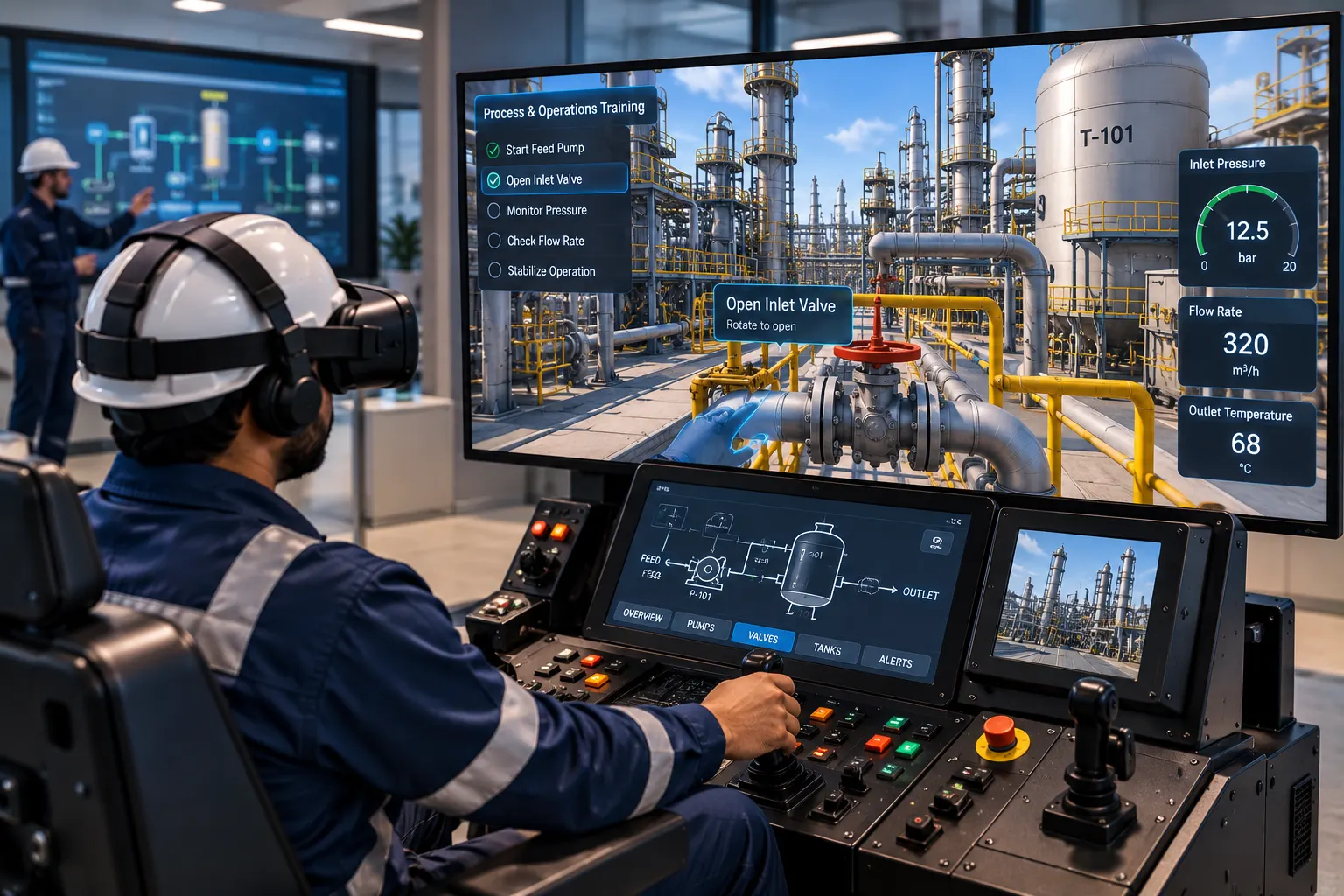
Visualise selected plant layouts, equipment relationships and manufacturing-process concepts through interactive 3D or VR experiences to support technical understanding and workforce learning.
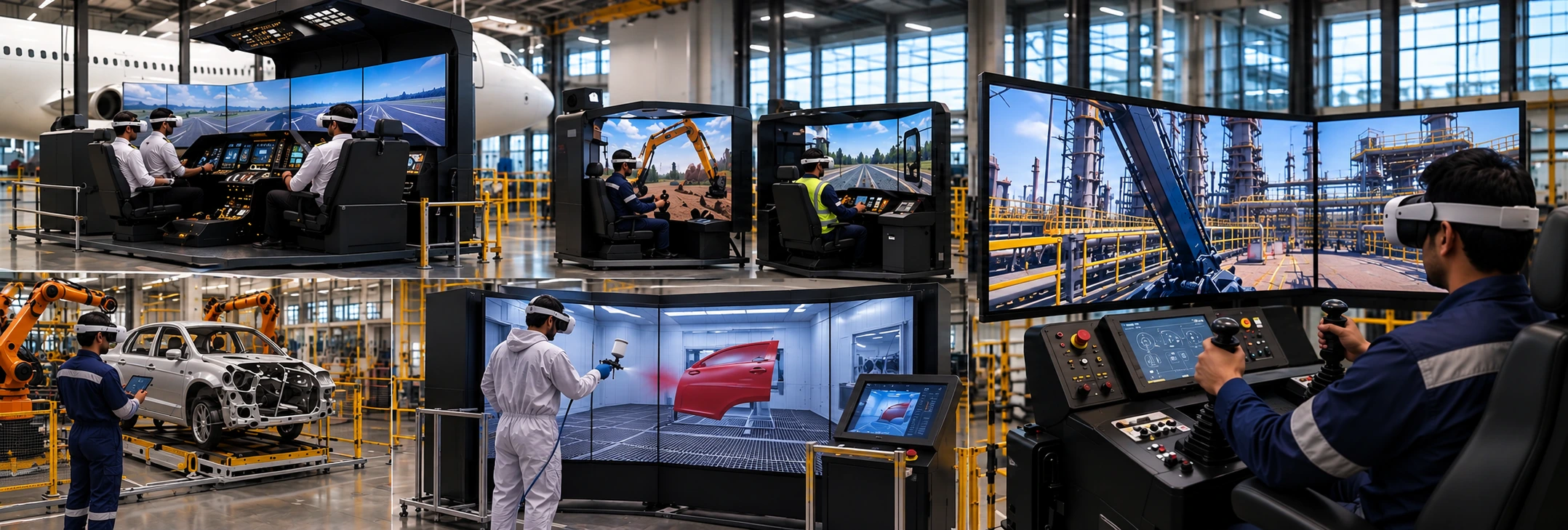
Explore a custom simulation for a defined training or operational challenge where immersive visualisation can help explain a process, task or environment. Scope and deliverables are confirmed with the customer before development.
No solutions in this category yet.
Help new or reassigned personnel learn about selected machines, components, operating areas and task sequences before supervised hands-on practice.
Present complex process stages and equipment relationships in an interactive 3D environment so teams can explore how parts of an operation fit together.
Use controlled scenarios to introduce workplace hazards, PPE requirements and safe-work procedures. Digital training complements rather than replaces formal safety instruction and site controls.
Explain selected inspection, servicing or maintenance tasks with visual models and step-by-step learning content, based on validated equipment information and customer-approved procedures.
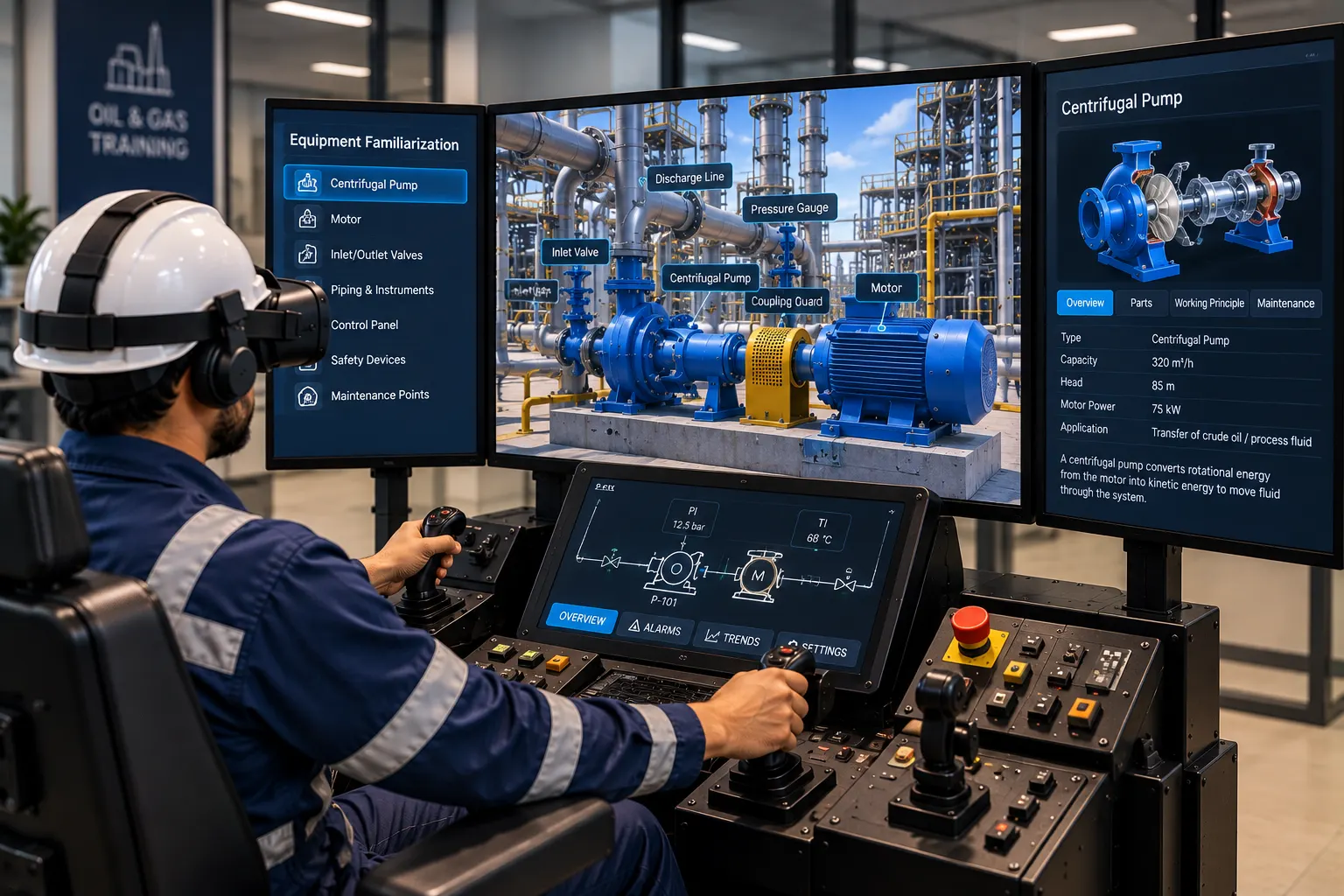
Provide consistent digital learning experiences to help employees become familiar with a process or environment before moving to supervised practical training.
AR and VR can support visual learning, process exploration and simulation-based training. AI may be considered for a specific use case when the required functionality, data, integrations and technical feasibility are confirmed. AI is not presented here as a standard feature of every Metal & Mining solution.
Overlay contextual digital information or visual guidance onto the physical environment for suitable learning or maintenance workflows.
Create immersive environments for equipment familiarisation, process visualisation and scenario-based workforce training.
Where suitable devices and project requirements support it, combine physical surroundings with interactive digital content for spatial learning or guided tasks.
Assess AI only for a clearly defined requirement and after confirming data availability, integrations and the specific capability with Yeppar’s team.
Let learners explore selected tasks and scenarios in a digital environment before supervised practical work.
Give teams a consistent way to revisit defined training content and procedures.
Align learning experiences with the equipment, workflows and objectives agreed for the project.
Use interactive 3D content to explain layouts, components and process relationships that may be difficult to communicate through text alone.
Choose an AR, VR, MR or simulation approach based on the intended use case, supported devices and deployment environment.
We review your objective, users, equipment or process, reference material, approved procedures and technical constraints.
We define the appropriate immersive approach and develop the experience around the agreed workflow, content and project scope.
We review the experience with your team against agreed content accuracy, usability and acceptance criteria before deployment.
Tell us about your equipment-training, safety-learning, maintenance or process-visualisation requirements. Yeppar can help assess an immersive approach based on your workflows, reference content and project scope.