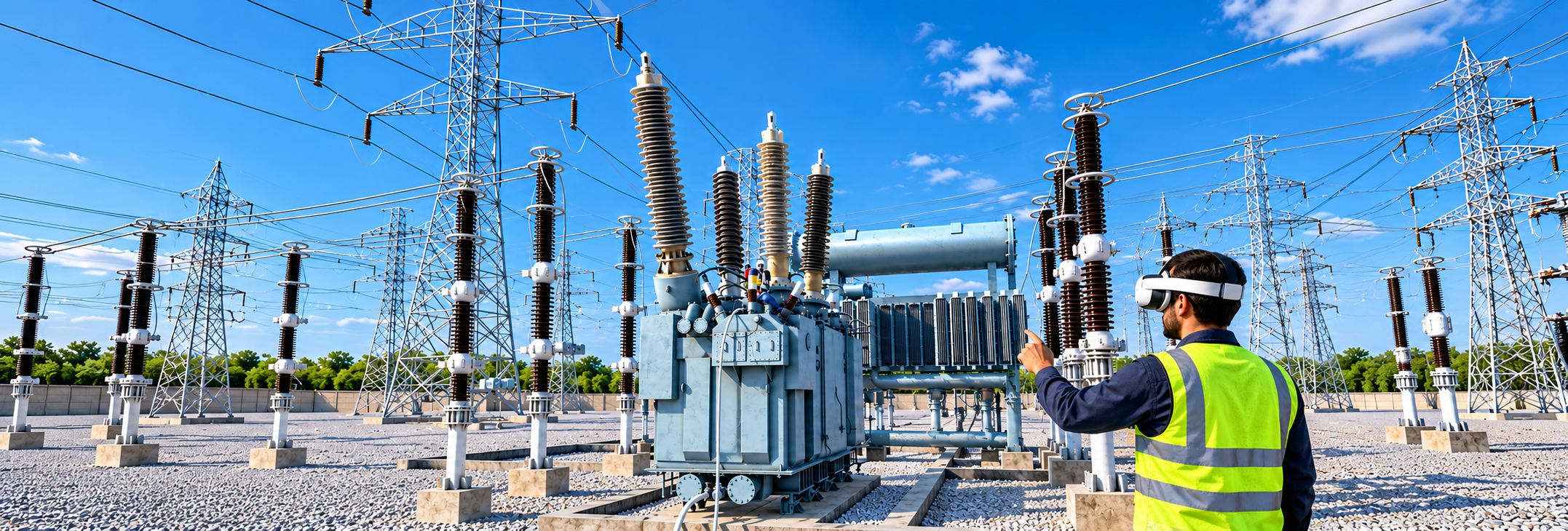
Augmented Reality (AR)
Overlay digital information or visual guidance onto the real-world environment for suitable learning and task-guidance workflows.
Yeppar develops simulation-based learning and visualisation experiences that can support substation training, plant-process familiarisation, inspection learning and electrical safety awareness.
The solution scope should be aligned with the facility, equipment, approved operating procedures, user roles and deployment requirements.
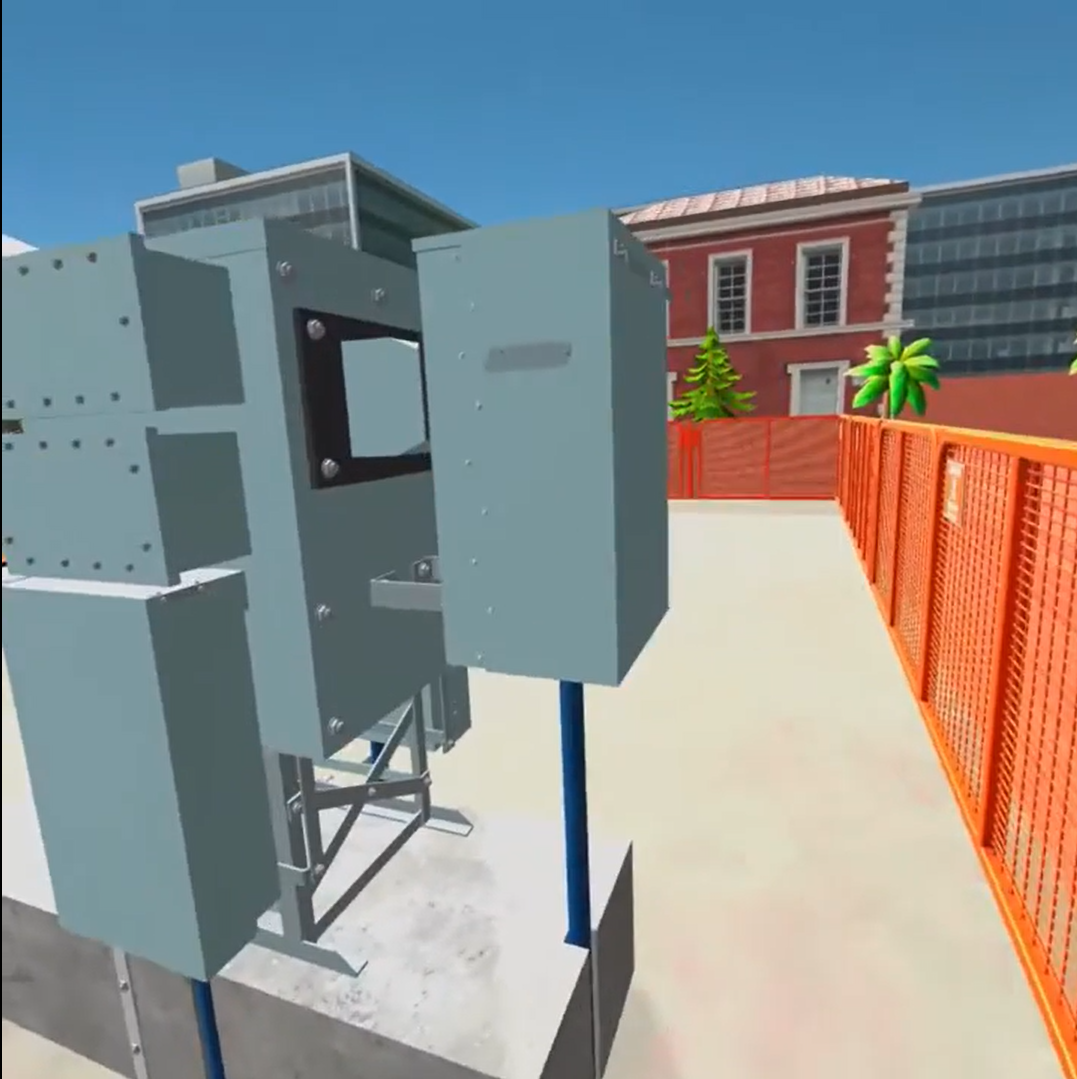
Use immersive VR environments to help operators learn about substation layouts, equipment, task sequences and safety procedures
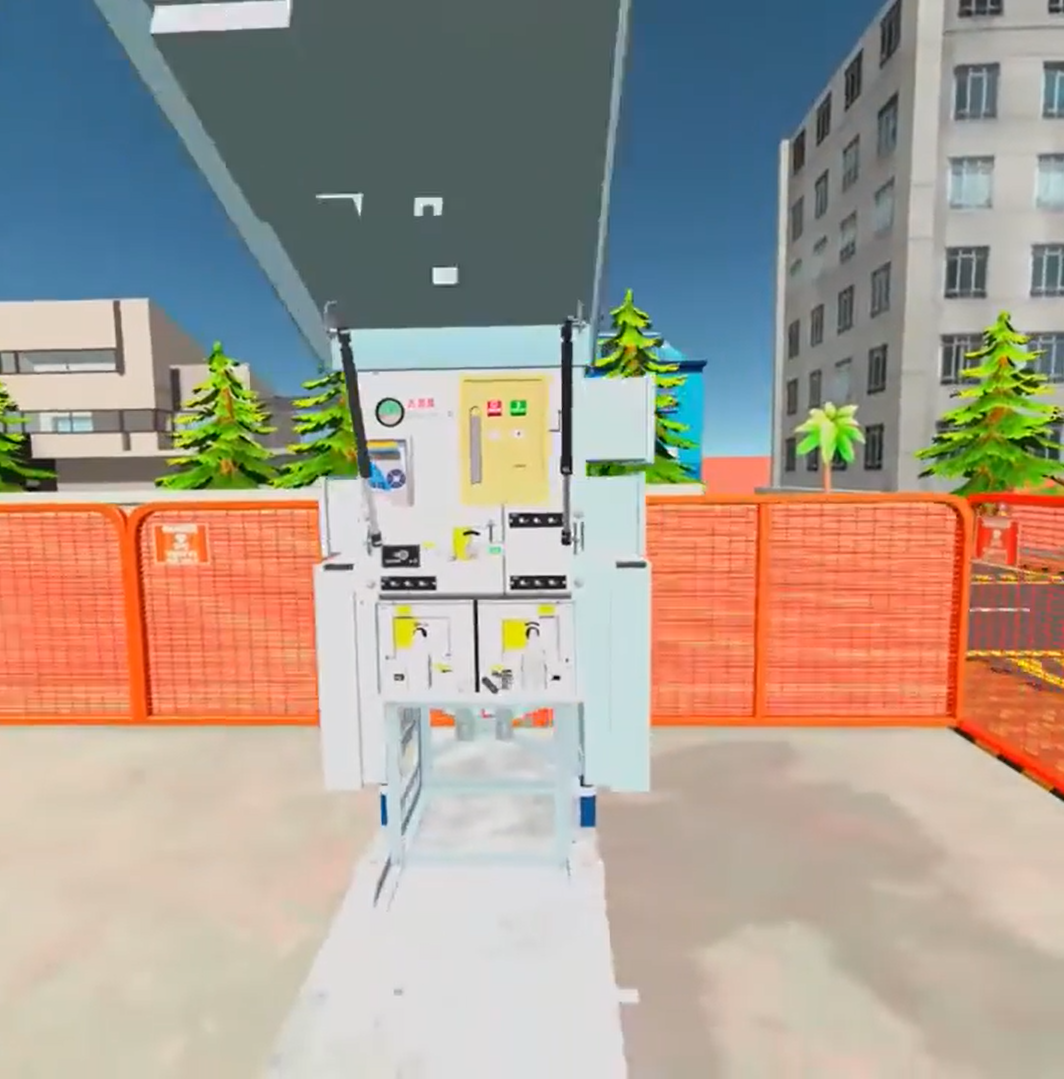
Present selected plant systems, equipment relationships and operational workflows through interactive 3D or VR experiences to support technical familiarisation and process understanding.
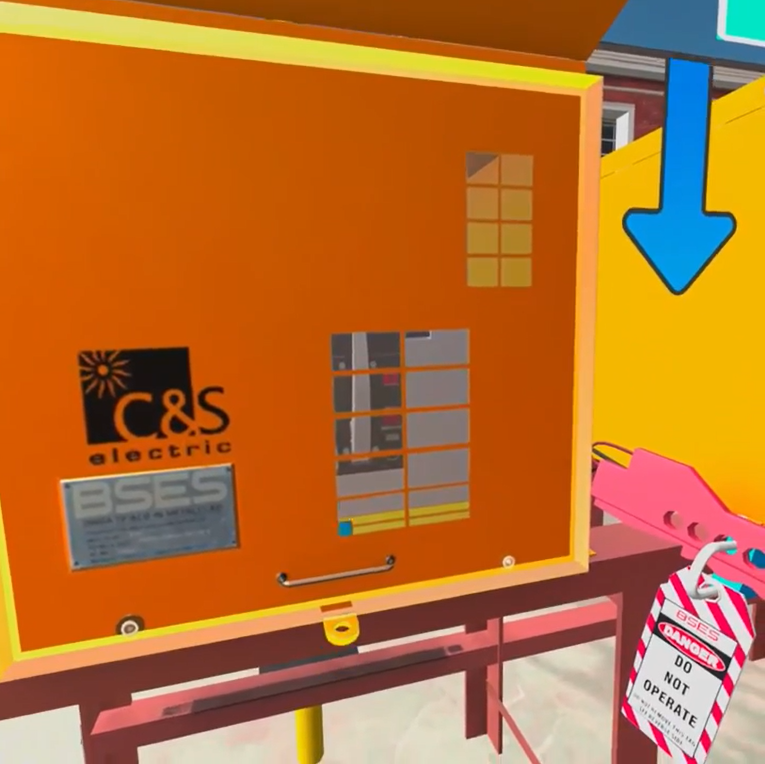
Help learners explore equipment components, operating areas and relevant procedures in a digital environment before supervised hands-on practice.
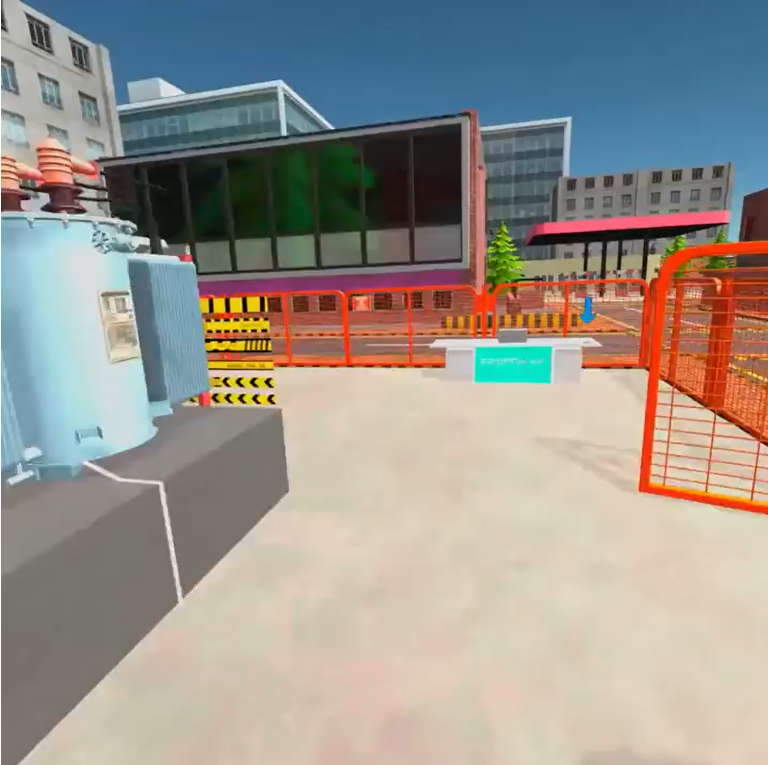
Create guided learning scenarios for selected inspection procedures, equipment checks and task sequences, based on customer-approved instructions and validated reference content.
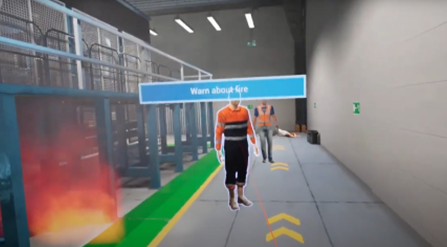
Build scenario-based learning to introduce electrical hazards, safe-work concepts and emergency procedures in a controlled digital environment. Content should align with approved safety policies and site requirements.
AR and VR can support equipment familiarisation, procedural learning, and simulation-based training. AI can also be incorporated for specific applications, subject to the availability of relevant data, required integrations, and technical capabilities.
Overlay digital information or visual guidance onto the real-world environment for suitable learning and task-guidance workflows.
Create immersive environments for substation training, equipment familiarisation, process visualisation and scenario-based practice.
Where supported by the device and use case, combine physical surroundings with interactive digital elements for spatial learning or guided tasks.
Assess AI only for a clearly defined requirement, after confirming functionality, data availability, integration needs and implementation scope with Yeppar’s team.
Review the facility context, target users, equipment, workflows, approved procedures, learning objectives and technical constraints.
Define the appropriate AR, VR, MR or simulation approach and develop the experience around the agreed content and requirements.
Review the experience with the customer’s subject-matter experts against agreed procedure accuracy, usability and acceptance criteria before deployment.