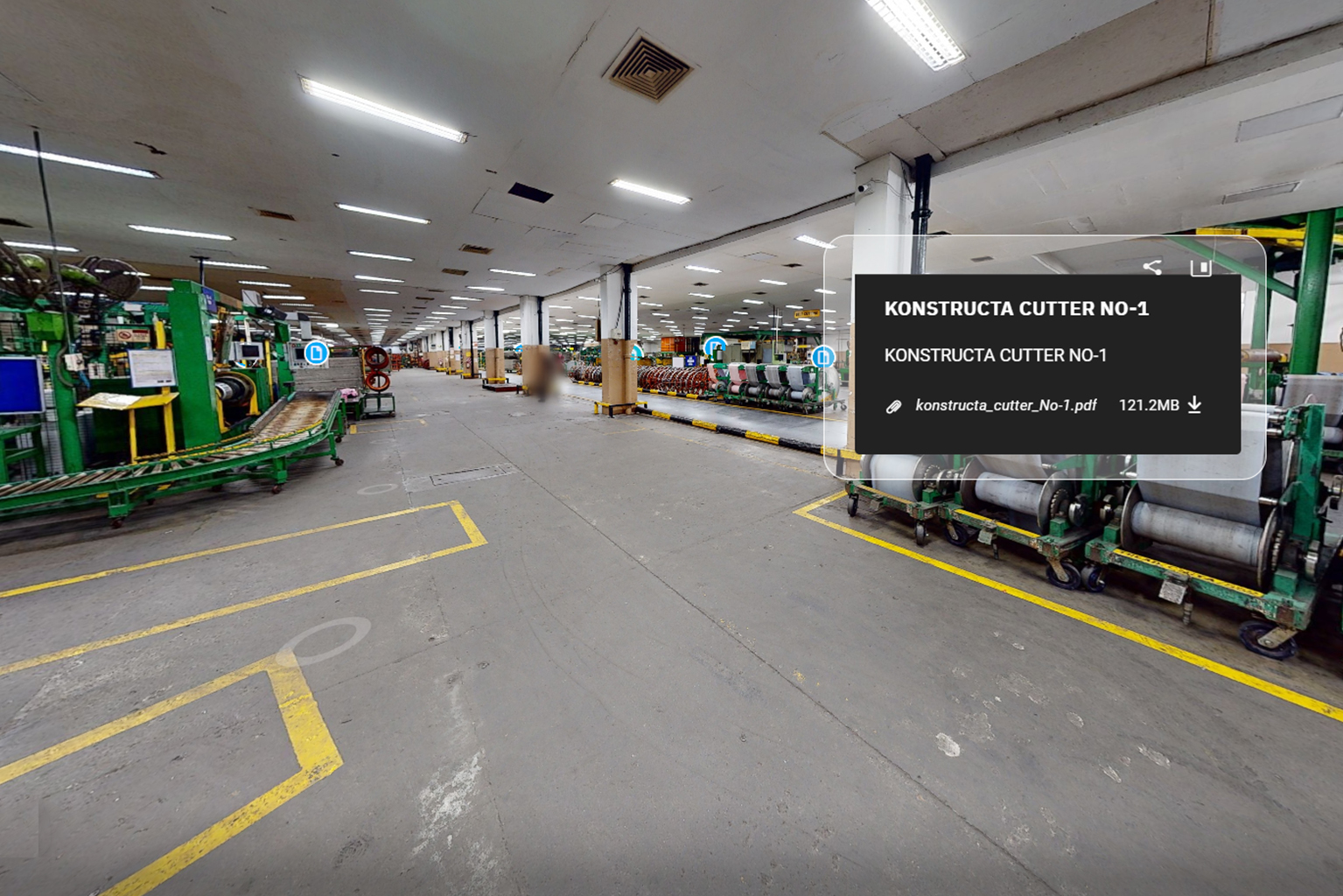
Connected Operational Data
Bring selected equipment, process or facility information into a shared digital view.
A digital representation of a physical asset, machine, facility or process that, connected with the right data, helps teams understand behaviour and evaluate changes.
Request a DemoA Digital Twin is more than a static 3D model. It can be linked to data from the physical system it represents, so teams view relevant information in a digital environment.
The level of connectivity and analysis varies by use case: some Digital Twins support design and visualisation, while others connect live or periodic data for monitoring, analysis and scenario evaluation.
At a Glance
Bring selected equipment, process or facility information into a shared digital view.
Explore digital representations of assets, spaces and processes interactively.
Connect relevant live or periodic data where suitable sensors and infrastructure exist.
Identify patterns, changes or areas that may need attention.
Assess operating conditions or proposed changes before applying them physically.
Make system information easier for teams to view and interpret.
Connect suitable data sources or enterprise systems, subject to compatibility.
One digital view for engineering, operations and maintenance discussions.
Identify the asset, process or facility to represent and clarify the intended use.
Collect drawings, 3D assets, equipment specifications, process data and other available information.
Create or adapt the model to the level of detail the project needs.
Integrate sensor feeds, databases or industrial systems where required and feasible.
Configure dashboards, views, analytics or simulation for the project objectives.
Use the information for reviews, planning and decisions, and refine the model over time.
Understand how equipment behaves through a connected 3D view.
Evaluate process changes before applying them in production.
Support maintenance and operational decisions when reliable data is available.
One digital view for engineering, operations and maintenance discussions.
Equipment, work cells or processes for visualisation, process reviews and performance analysis.
Vehicle systems, manufacturing workflows and engineering configurations.
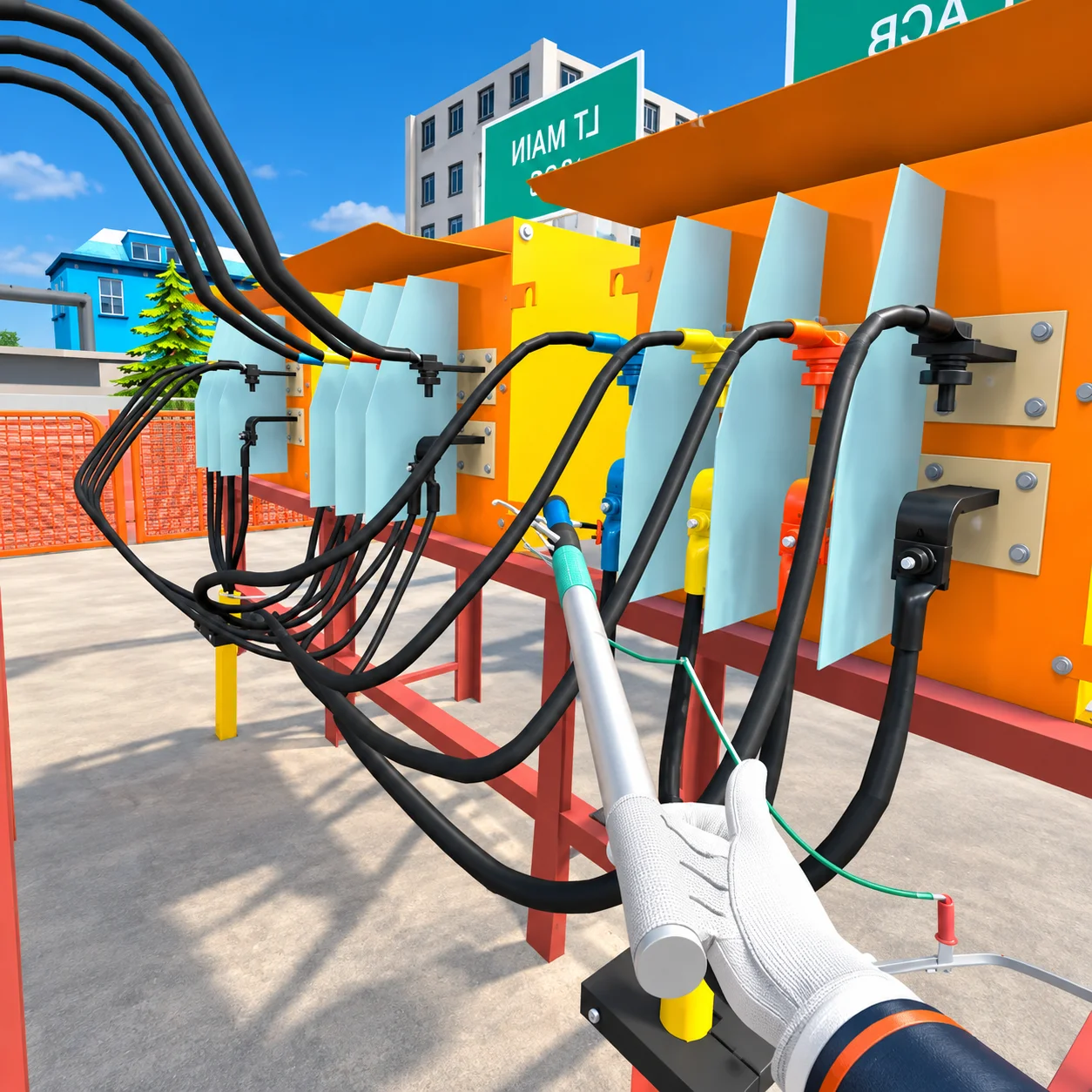
Assets and infrastructure with operating information for asset management.
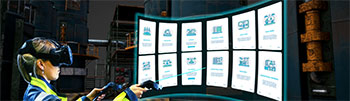
Equipment, facilities or process areas for planning and technical reviews.

Spatial models with building data for facility visibility and lifecycle planning.
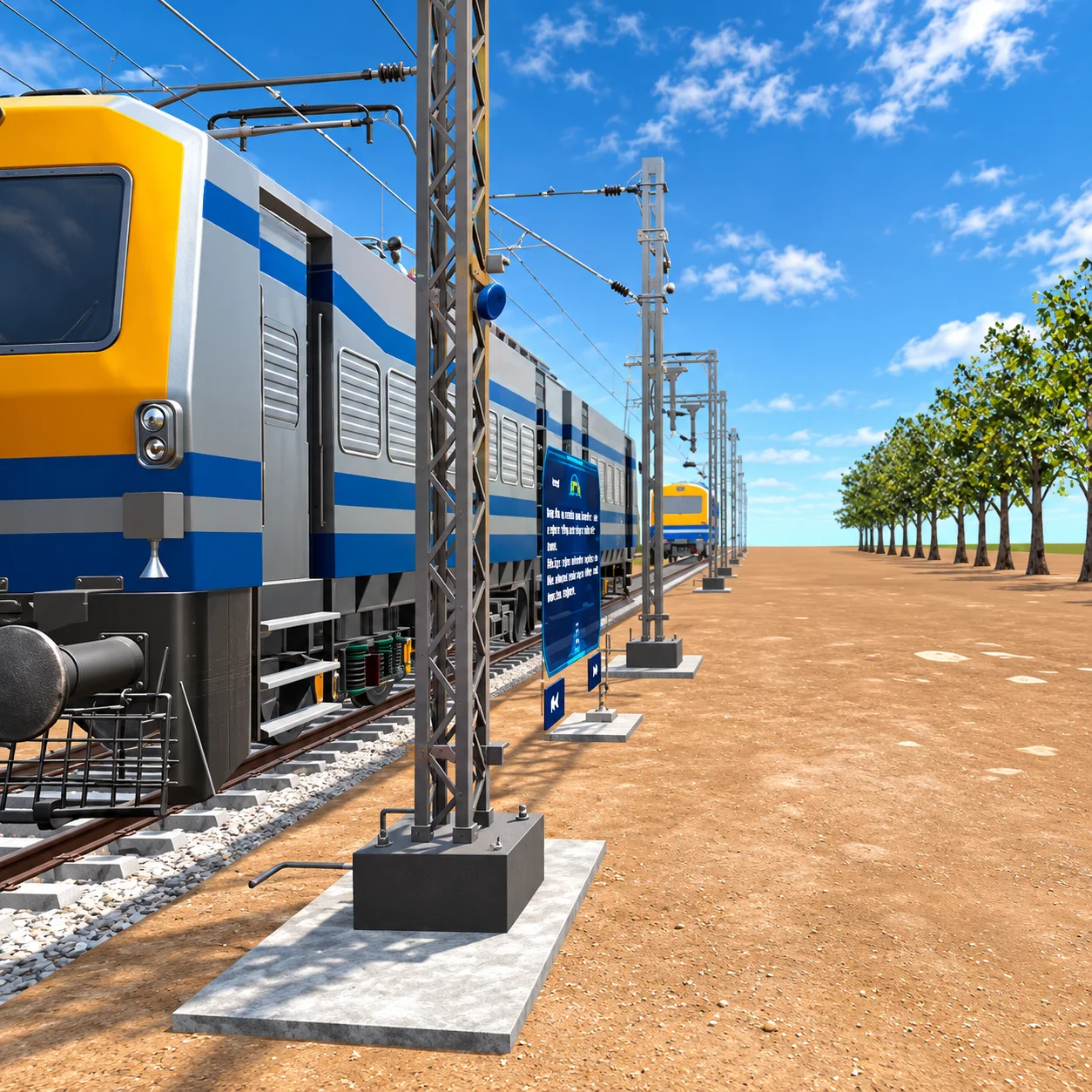
Transport assets, infrastructure or logistics processes to evaluate changes.
Primarily represents the shape, layout or appearance of an object or environment.
Can use a 3D model as its visual foundation, and may also connect it with engineering, operational, sensor or performance data for monitoring, analysis and simulation.
Talk to our experts to explore a Digital Twin solution tailored to your assets, data and operational goals.