


 Agriculture
  Manufacturing
 Automobile
 Pharmaceutical
 RealEstate
 Education
 Events
 Industry 4.0
 Lab Setup
 Training
 Product Demonstrator
 Remote Assistance (MR)
 Virtual Showroom
 Virtual Try on
 Print Media
  Virtual Reality



Introduction
Energy operations depend on a workforce that can understand processes, equipment, procedures, and operational environments before performing critical tasks. Whether employees work in power generation facilities, renewable energy plants, substations, control rooms, or field operations, preparation plays an important role in day-to-day activities.
As organizations continue to invest in workforce development, structured learning approaches are becoming increasingly important. One such approach is Dojo training, which provides employees with a dedicated environment to learn, practice, and build confidence before applying their knowledge in operational settings.
This approach supports workforce readiness by combining practical learning, structured guidance, and hands-on experience in a controlled environment.
What Is Dojo Training?
Dojo training is a structured learning methodology where employees practice tasks, procedures, and workflows in a dedicated training environment designed to reflect real workplace conditions.
Unlike traditional classroom sessions that focus primarily on theory, Dojo training emphasizes learning through practice.
A Dojo environment may include:
- Simulated workstations
- Process demonstrations
- Equipment familiarization activities
- Guided learning exercises
- Practical skill assessments
The objective is to help employees gain experience and understanding before working in live operational environments.
Why Is Workforce Readiness Important in the Energy Industry?

Workforce readiness refers to how prepared employees are to perform their responsibilities effectively within operational environments.
Energy facilities often involve interconnected systems, specialized equipment, and established procedures. Employees must understand these elements to contribute effectively within their roles.
Organizations focus on workforce readiness to support:
- Operational awareness
- Process understanding
- Role clarity
- Knowledge transfer
- Team coordination
- Consistent work practices
A well-prepared workforce is better positioned to understand workplace expectations and operational requirements.
How Does Dojo Training Support Workforce Readiness?
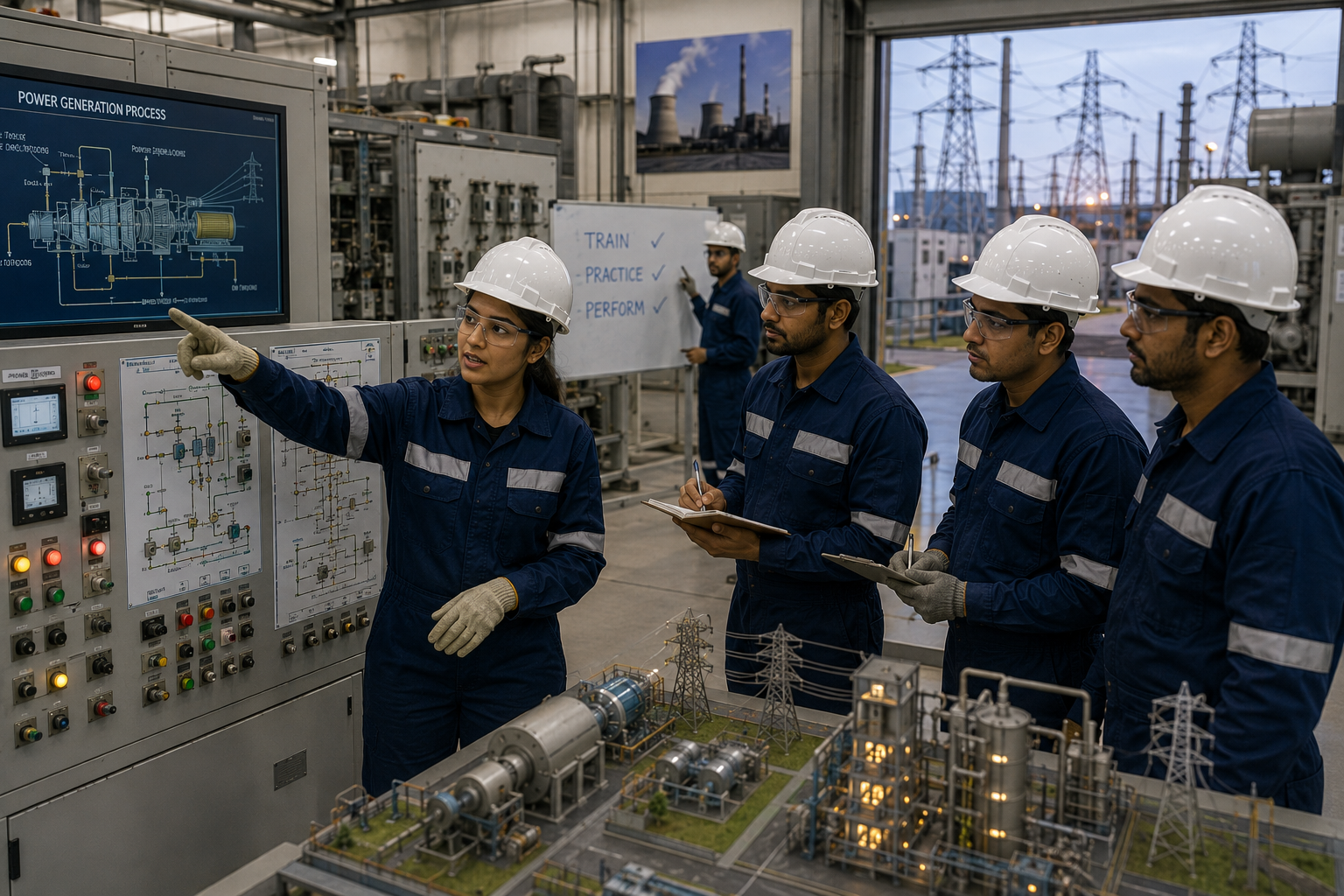
Dojo training creates opportunities for employees to learn through experience rather than observation alone.
Practical Learning
Employees actively perform tasks instead of only reading instructions or attending presentations.
Structured Skill Development
Training follows standardized learning paths that help create consistency across participants.
Repetition and Reinforcement
Participants can practice activities multiple times to strengthen understanding.
Immediate Feedback
Trainers provide guidance throughout the learning process, helping participants improve their performance and understanding.
Operational Familiarity
Employees gain exposure to workflows, procedures, and workplace conditions before transitioning into operational environments.
A Practical Example
Consider a technician joining a power generation facility.
Traditional onboarding may involve reviewing documents, attending presentations, and observing experienced employees.
Within a Dojo environment, the technician can:
- Practice routine operational procedures
- Understand workflow sequences
- Explore equipment interactions
- Participate in guided exercises
- Receive feedback from trainers
This practical approach helps build familiarity before entering live operational environments.
Key Components of an Effective Energy Dojo
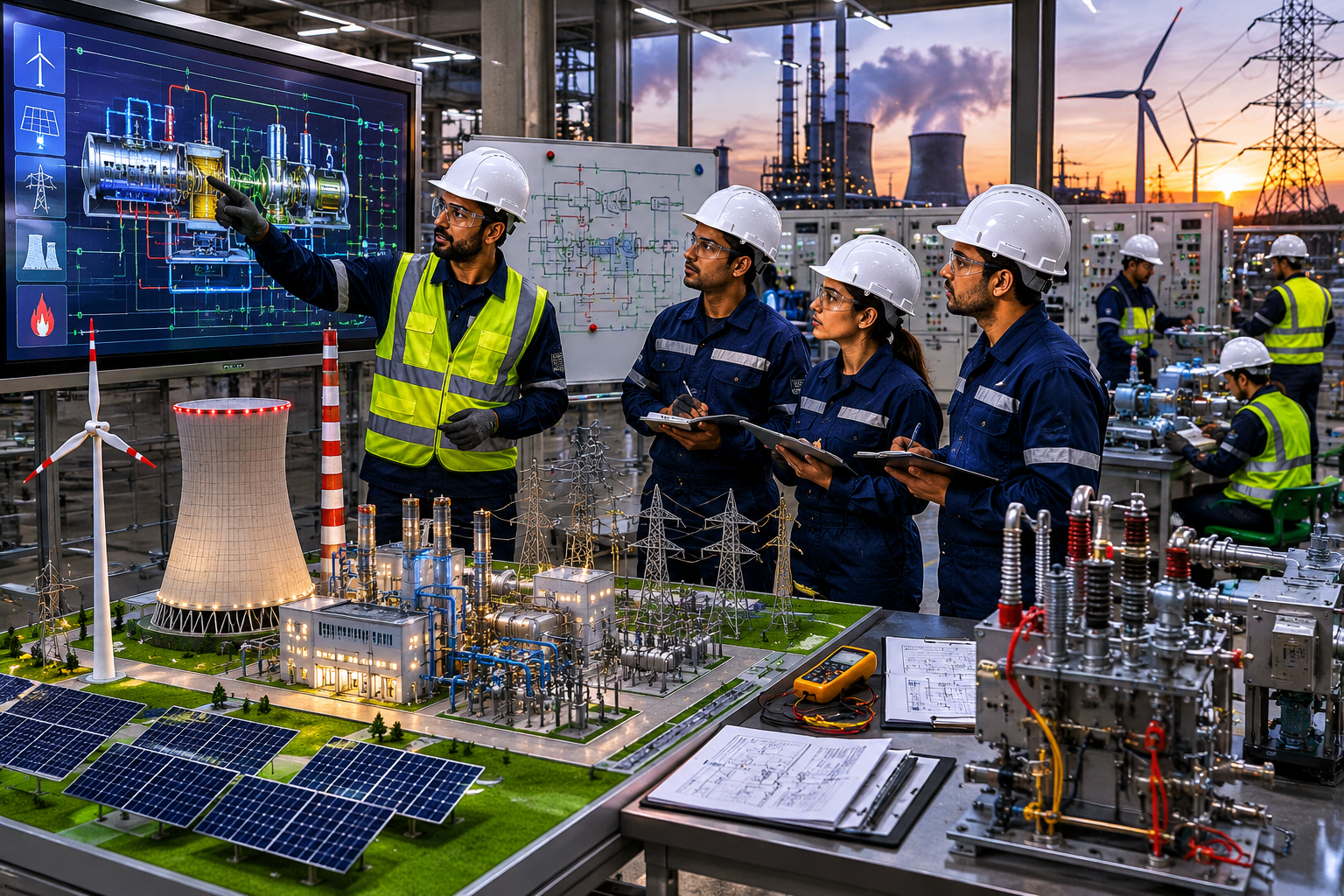
Successful Dojo training programs often include several important elements.
Realistic Training Scenarios
Activities reflect actual workplace situations and operational workflows.
Standardized Training Methods
Every participant follows the same learning framework, helping maintain consistency.
Clear Learning Objectives
Training exercises focus on specific skills, knowledge areas, or operational activities.
Trainer-Led Guidance
Participants receive structured support throughout the learning process.
Performance Validation
Training outcomes are reviewed to confirm understanding and readiness.
Applications of Dojo Training in the Energy Sector
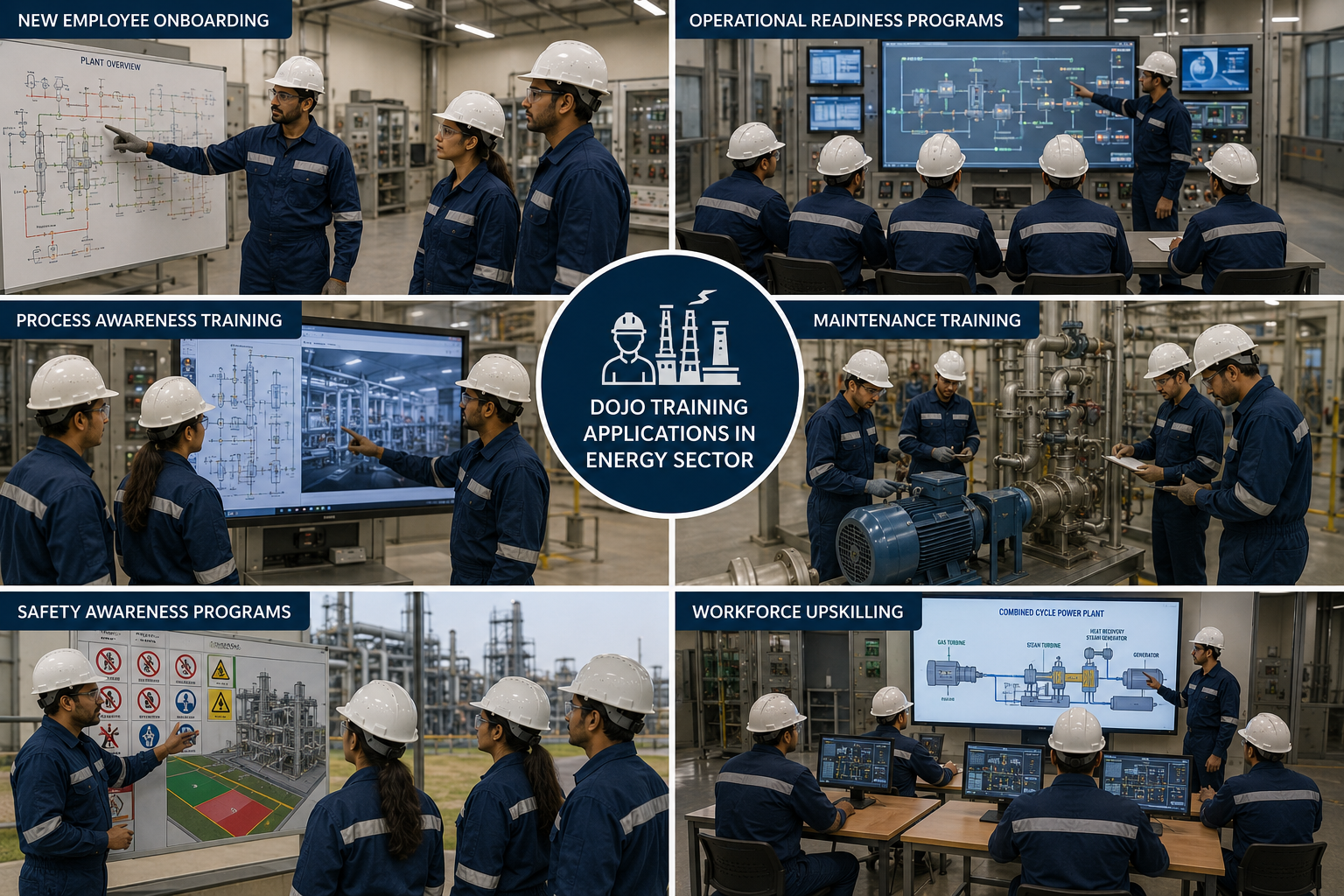
Dojo training can support multiple workforce development initiatives across the energy industry.
Common applications include:
New Employee Onboarding
Helping employees understand facilities, processes, and workplace expectations.
Operational Readiness Programs
Preparing teams before they enter operational environments.
Process Awareness Training
Improving understanding of workflows and operational activities.
Maintenance Training
Supporting familiarity with equipment, procedures, and maintenance practices.
Safety Awareness Programs
Helping employees understand workplace conditions and operational requirements.
Workforce Upskilling
Supporting continuous learning and professional development.
Common Challenges in Workforce Training
Many energy organizations face challenges when developing workforce readiness programs.
These may include:
- Variations in training delivery
- Limited opportunities for practical learning
- Knowledge transfer gaps
- Differences in employee experience levels
- Inconsistent understanding across teams
Dojo training helps address these challenges by creating a structured environment focused on practice, consistency, and learning.
Supporting Dojo Training with Digital Learning Technologies
As workforce development continues to evolve, many organizations are exploring ways to combine traditional training approaches with immersive learning technologies.
In this context, Yeppar develops visualization-driven learning environments that support Dojo-based training through immersive representations of facilities, workflows, and operational activities.
These environments help provide additional context and understanding while supporting existing workforce development initiatives.
Future of Workforce Development in the Energy Sector
As energy operations become increasingly connected and technology-driven, organizations continue to explore new approaches to workforce development.
Structured learning environments, practical training experiences, and immersive technologies are expected to play an important role in helping employees understand operational environments and workplace responsibilities.
Dojo training aligns with this direction by providing a practical framework that supports learning through experience.
Conclusion
Dojo training provides a structured approach to workforce readiness by creating dedicated environments where employees can learn, practice, and develop skills before entering operational settings.
Through hands-on learning, guided instruction, and realistic scenarios, organizations can support employee understanding, operational awareness, and skill development in a consistent manner.
As workforce expectations continue to evolve, Dojo training offers a practical way to strengthen learning experiences across the energy sector.
FAQs
What is Dojo training in the energy sector?
Dojo training is a structured learning approach where employees practice tasks and procedures in a controlled environment before working in operational settings.
How does Dojo training improve workforce readiness?
It helps employees develop familiarity with processes, equipment, and workflows through hands-on learning and guided practice.
Who can participate in Dojo training?
New employees, technicians, operators, supervisors, and experienced workforce members can all participate.
Can Dojo training support operational readiness programs?
Yes. Organizations often use Dojo environments to support operational awareness, process understanding, and workforce preparation.
Does Dojo training replace on-the-job learning?
No. It complements workplace learning by providing structured practice opportunities before employees enter live operational environments.
What industries use Dojo training?
Dojo training is used across manufacturing, energy, pharmaceutical, automotive, and other industrial sectors.

 Contact Us